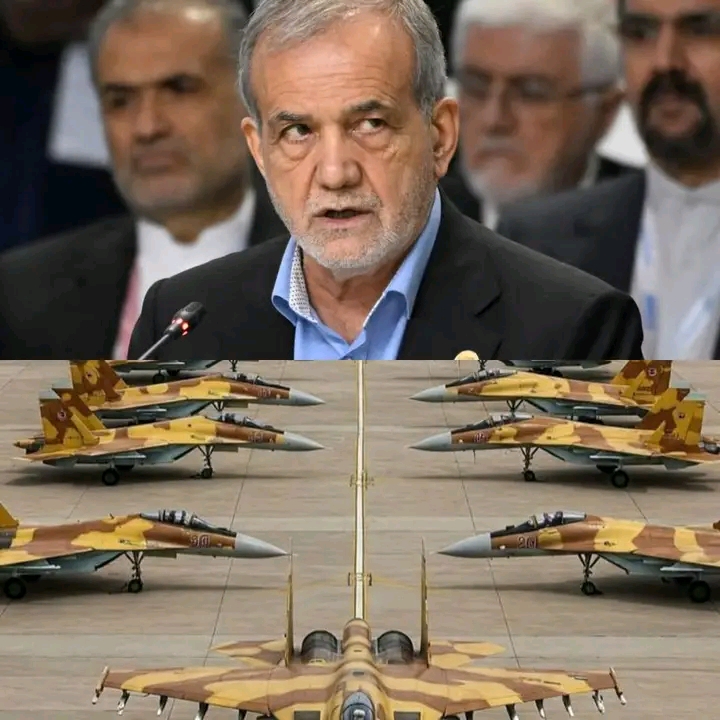
IRANIAN PILOTS AND TECHNICIANS COMPLETE SU-35 TRAINING AS DELIVERY PREPARATIONS CONTINUE

Breaking News Zambia
NewsIRANIAN PILOTS AND TECHNICIANS COMPLETE SU-35 TRAINING AS DELIVERY PREPARATIONS CONTINUE Iranian pilots and ground technicians have reportedly completed major phases of training to operate and maintain Russia’s Su-35 fighter jets, according to sources familiar with the program The first group of between 40 and 48 Iranian aircrew members reportedly completed training in Russia as […]
IRANIAN PILOTS AND TECHNICIANS COMPLETE SU-35 TRAINING AS DELIVERY PREPARATIONS CONTINUE
Iranian pilots and ground technicians have reportedly completed major phases of training to operate and maintain Russia’s Su-35 fighter jets, according to sources familiar with the program
The first group of between 40 and 48 Iranian aircrew members reportedly completed training in Russia as early as 2024. Training has since continued inside Iran using Yak-130 trainer aircraft and has now moved toward full-mission Su-35 simulator training.
Russia has reportedly already produced around 20 Su-35 fighters intended for Iran. However, the aircraft are said to remain in Russia until Iran completes reconstruction and upgrades at Hamadan Air Base, which was reportedly damaged during the U.S.-Israeli war.
Iran is expected to receive a total of 48 Su-35 fighter jets, along with 12 Su-30SM aircraft. The Su-30SMs are reportedly expected to begin arriving by mid-2027, although simulators for the aircraft are expected to arrive first to support additional pilot training.
Sources say the delay in delivering the fighter jets is primarily related to infrastructure rather than training. Tehran must first complete the construction of hardened shelters and aircraft hangars at Hamadan Air Base to ensure the facilities meet the required standards for operating and protecting the new aircraft
The Su-35, a highly capable 4++ generation multirole fighter equipped with the powerful Irbis-E radar, long-range capabilities and modern air-to-air missiles, is expected to significantly strengthen Iran’s aging air force fleet.
The new aircraft could eventually replace or supplement older fighters still in Iranian service, including the F-14 Tomcat, MiG-29 and F-4 Phantom.

Community Feedback