Government demands integrity in 2026 FISP implementation

Breaking News Zambia
Top StoriesGovernment has called on all stakeholders in the agricultural sector to uphold integrity, professionalism and collaboration to ensure the successful implementation of the Farmer Input Support Programme (FISP) during the 2026/2027 farming season. Northwestern Province Permanent…
Government has called on all stakeholders in the agricultural sector to uphold integrity, professionalism and collaboration to ensure the successful implementation of the Farmer Input Support Programme (FISP) during the 2026/2027 farming season.
Northwestern Province Permanent Secretary Colonel Grandson Katambi (rtd) says the success of FISP depends on the collective commitment of farmers, agro-dealers, seed suppliers, financial institutions, extension officers and other implementing partners.
Speaking in a speech read on his behalf by his Deputy Permanent Secretary Luckson Mulumbi while addressing participants during the FISP sensitisation and training meeting for agro-dealers in Solwezi, Col Katambi retired said government remains committed to transforming Zambia’s agriculture sector into a productive, competitive, climate-smart and resilient industry capable of driving economic growth and improving livelihoods.
He said the government is targeting annual production of 10 million metric tonnes of maize, three million metric tonnes of soybeans and one million metric tonnes of wheat by 2031.
Col Katambi retired disclosed that North-Western Province is projected to produce 340,000 metric tonnes of maize during the current season, representing a 10 percent increase over the previous harvest.
He attributed the projected increase to improved farmer support programmes, favourable collaboration among stakeholders and the hard work of farmers.
The Permanent Secretary said sustaining the growth will require increased investment in irrigation, agricultural mechanisation, climate-smart farming practices and access to quality farming inputs.
He further warned that weather forecasts indicate a high likelihood of El Niño conditions during the 2026/2027 farming season and urged farmers to adopt drought mitigation measures.
Col Katambi retired said the government has drawn lessons from the 2023/2024 El Niño-induced drought and has strengthened preparedness through the Agriculture and Food Security Cluster Response Framework.
He said the government has intensified interventions such as irrigation development, conservation agriculture, promotion of drought-tolerant and early-maturing crop varieties, water harvesting technologies and strengthened extension services to cushion farmers against climate-related shocks.
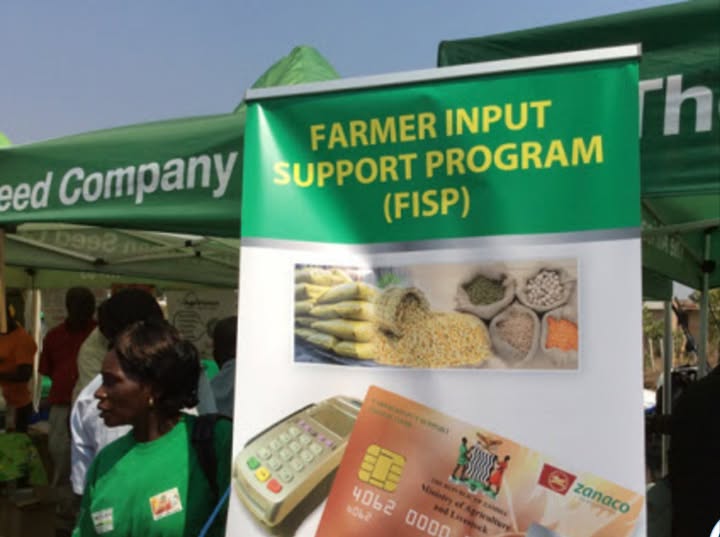
Col Katambi retired also noted that the government’s transition to the 100 percent electronic voucher (e-Voucher) FISP system during the 2025/2026 farming season has enhanced transparency, improved beneficiary targeting, reduced inefficiencies in input distribution and empowered farmers with greater choice in accessing agricultural inputs.
He, however, cautioned agro-dealers to uphold professionalism and ensure farmers receive genuine inputs from approved suppliers, warning that the government will not tolerate malpractice that undermines the objectives of the programme.
‘‘I further urge all seed companies to invest in research and supply climate-smart seed varieties suitable for Zambia’s changing weather patterns. I am also calling on extension officers to continue providing farmers with technical guidance on good agronomic practices and effective utilisation of inputs,’’ Katambi said.
He warned individuals involved in the sale of counterfeit, expired or substandard agricultural inputs that stern action will be taken against anyone found compromising the integrity of the agricultural input supply chain.
Meanwhile, Ministry of Agriculture, Chief Agricultural Economist Nicholus Mainza said the team was in the province for two days working visit to orient and sensitise the Agro dealers on the implementation of the E-voucher for the 2026/2027 farming season.
Dr Mainza said the orientation will also include ethical values for extension officers as they offer a service to farmers and the general public at large.
Dr Mainza disclosed that fake seed, fertiliser and crop protection chemicals threaten national food security and farmer productivity and called on stakeholders to report any irregularities to relevant authorities.
He reaffirmed the government’s commitment to supporting farmers, safeguarding food security and creating an enabling environment where agriculture becomes a viable and profitable business for all Zambians.






Community Feedback