From Grandma’s Pot to the Freezer: Why Zambian traditional foods still feed us better

Breaking News Zambia
News5 Views In Lusaka’s Mtendere compound, 68-year-old *Bana Mary is up at 5am like she has been for 40 years. The fire is already going. On it sits a clay pot with _ifisashi_ made from pumpkin leaves pounded that morning, cooked with groundnuts and a pinch of salt. Next to it is _nshima_ made from […]
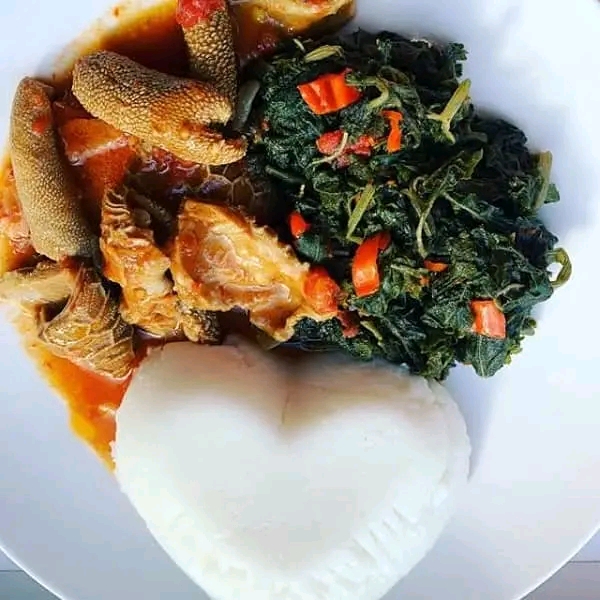
5 ViewsIn Lusaka’s Mtendere compound, 68-year-old *Bana Mary is up at 5am like she has been for 40 years. The fire is already going. On it sits a clay pot with _ifisashi_ made from pumpkin leaves pounded that morning, cooked with groundnuts and a pinch of salt.
Next to it is _nshima_ made from maize she pounded herself. No fridge. No preservatives. Just smoke, wood, and time.
Across the road her grandson *Chanda Bana, 24, is tearing open a packet of instant noodles and a bottle of soda before work. “It’s faster, shikulu,” he says.
That gap between the pot and the packet is where a quiet health conversation is happening in Zambia right now.
The food that the country’s forefathers ate was built around what the land gave each season. _Nshima_ from maize, sorghum or millet that wasn’t bleached and stripped. Vegetables like _kalembula_, _chibwabwa_, _impwa_ and _delele_ picked and cooked the same day. Protein from _kapenta_, free-range chicken, beans and groundnuts. Fruits like _masuku_, _matoobwa_ and _ing’ong’o_ eaten when they were in season.
Nothing was stored for a year with chemicals. When food needed to last, it was dried in the sun, smoked over fire, or fermented into _munkoyo_, _chibwantu_ and _katata_. That was preservation, but the Zambian way.
Nutritionists say traditional meals are higher in fiber, micronutrients and plant compounds because they use whole grains and fresh leaves, with lower in sodium levels, added sugar and trans fats that come with many of the imported and ultra-processed foods now filling shop shelves.
Modern preserved foods — canned meats, sugary drinks, instant noodles, packaged snacks — keep longer and travel farther. But to do that they carry preservatives, stabilizers, and a lot of salt and sugar.
Over time, doctors are linking that diet to the rising cases of diabetes, high blood pressure and obesity showing up in clinics across urban Zambia.
According to Lake Vision Education Center & Advocacy, in today’s fast-changing world, many people are forgetting the nutritious traditional foods that sustained our grandparents for generations.
“As Zambians, we should be proud of our local foods and preserve them for future generations.
Traditional foods such as nshima, millet, sorghum, cassava, sweet potatoes, pumpkins, groundnuts, beans, okra, chikanda, kapenta, and traditional vegetables are part of our heritage and continue to provide valuable nutrition,” notes the Lake Vision Education Center & Advocacy.
The Center adds: “They are often rich in nutrients that support good health. They help preserve our culture and identity. They teach children to appreciate their heritage. Buying and growing local foods supports Zambian farmers and strengthens our communities. Many traditional foods can be affordable and can be grown in home gardens.
“Traditional food is not a sign of poverty—it is a symbol of culture, identity, and wisdom passed down through generations.
“As we embrace modern life, let us not forget the foods that nourished our ancestors. A nation that values its roots builds a healthier and stronger future.”
And food was never just about taste. In many Zambian homes, smell was part of the medicine too. Pounding garlic and ginger for chicken. Boiling lemongrass for tea. Roasting groundnuts until the whole house smells warm. That is aromatherapy, long before the nation had the English word for it.
In the gone by era, lemongrass and mint tea after meals have been used to ease digestion.
And Eucalyptus steam was also used as remedy when someone has a cold.
Hospitals are catching on. Some clinics in Ndola and Kitwe now use lavender oil and citrus diffusers in maternity wards to reduce anxiety.
Herbalists in Eastern Province still use mupane bark and moringa not just to cook, but for their scent to clear the air.
No one is saying throw away the fridge. In the city you need convenience. But nutritionists and chefs pushing a “back to the pot” movement say we can mix the old with the new. Keep nshima and ifisashi, but add a side salad. Swap soda for munkoyo or water with lemon.
Preserve the Zambian way by sun-drying vegetables and smoking fish. And use smell on purpose boil cinnamon while cooking, diffuse eucalyptus at night, grow mint and lemongrass in a tin by the door.
Chanda is trying it. He still grabs noodles on busy days, but on Sundays he goes to Bana Mary’s. “When I eat from her pot, I sleep better. My stomach doesn’t hurt,” he says. “And the house smells like home.”
That might be the biggest benefit of all. Traditional food connects us — to the soil, to the seasons, to each other. Processed food feeds us fast. Traditional food feeds us well.
In Zambia, where people have always believed that food heals, maybe the best prescription was already in grandma’s kitchen. With a little fire, fresh leaves, and the smell of something real cooking. *Not real names






Community Feedback