
Zambian Foods That Deserve More International Attention

Breaking News Zambia
NewsFood is one of the easiest ways to tell the story of a country. Zambia has a rich food culture influenced by different communities, regions and agricultural traditions, yet many of its dishes remain relatively unknown outside the country. For Zambians living abroad, traditional food can also provide a connection to home. Here are 10 […]
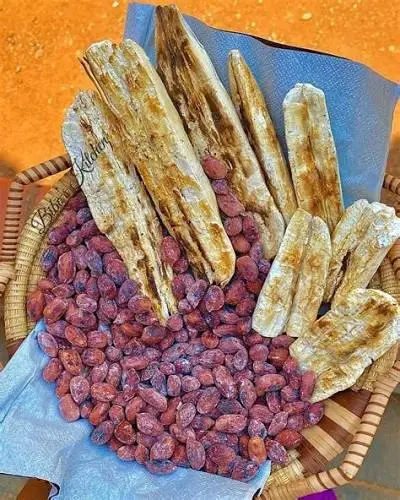
Food is one of the easiest ways to tell the story of a country.
Zambia has a rich food culture influenced by different communities, regions and agricultural traditions, yet many of its dishes remain relatively unknown outside the country.
For Zambians living abroad, traditional food can also provide a connection to home.
Here are 10 foods and dishes that deserve greater attention.
1. Nshima and relish
Nshima is arguably one of the most recognisable staples of Zambian cuisine.
It is commonly served with different relishes, vegetables, meat, fish or beans.
2. Chikanda
Often described as a traditional Zambian dish, chikanda has a distinctive texture and flavour.
It is particularly popular in parts of Zambia and has become familiar to Zambians far beyond its traditional communities.
Looking for the latest sports odds and markets? Check them out here.
3. Ifisashi
Ifisashi is a vegetable-based dish commonly prepared with ingredients such as leafy vegetables and groundnuts.
It demonstrates how simple ingredients can produce a filling meal.
4. Kapenta
Small dried fish, commonly known as kapenta, is popular in many Zambian households.
It can be prepared in different ways and is frequently eaten with nshima.
5. Samp
Samp can be prepared with different ingredients and provides another example of the country’s diverse home-style cooking.
6. Chibwabwa
Pumpkin leaves are used in various traditional meals and can be prepared with groundnuts or other ingredients.
7. Sweet potatoes
Sweet potatoes are eaten across Zambia and can be enjoyed boiled, roasted or incorporated into different meals.
8. Cassava
Cassava is an important food crop in many parts of Zambia and can be prepared in several ways.
9. Beans and groundnut-based dishes
Beans and groundnuts feature prominently in many traditional meals and can provide affordable sources of protein and energy.
10. Traditional seasonal foods
Different regions of Zambia have their own traditional foods, wild fruits, vegetables and preparation methods.
This is one of the reasons Zambian food cannot be reduced to a single menu.
Food is also about memory.
A particular dish can remind someone of childhood, a grandmother’s kitchen, a village visit, a traditional ceremony or family gatherings.
As Zambia’s tourism industry continues to promote the country internationally, food has an opportunity to become another part of the country’s cultural identity.
The next time someone asks what Zambian food is, the answer should be much longer than just one dish.
🚨 DON’T MISS OUT — REGISTER HERE! Join thousands of sports fans exploring today’s betting markets and give yourself a chance to be among the winners. 18+ | Terms and conditions apply | Gamble responsibly.





Community Feedback