
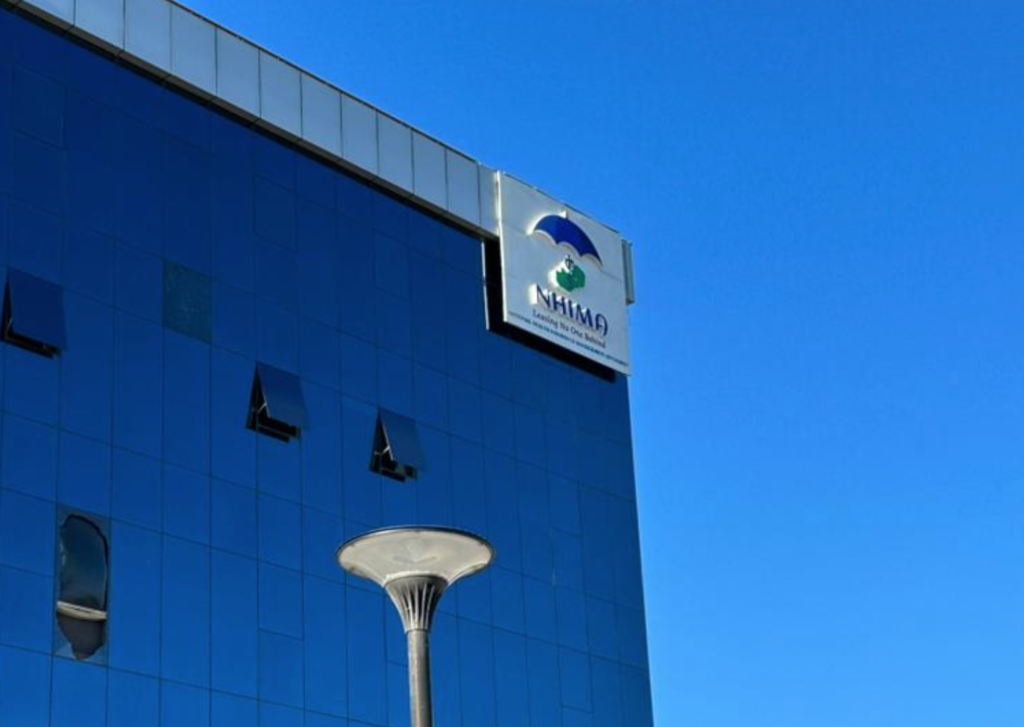
Will Parliament’s K1.6 billion proposed injection solve deeprooted problems at NHIMA?

Breaking News Zambia
BusinessThe proposed K1.6 billion capital injection into […]
The proposed K1.6 billion capital injection into the National Health Insurance Management Authority (NHIMA) by Parliament has sparked debate over whether it will truly resolve the persistent financial and operational challenges facing Zambia’s national health insurance system. Recent decisions by some private healthcare facility to terminate contracts with NHIMA over delayed payments have intensified scrutiny of the scheme, with providers warning of an escalating crisis across the sector.
A medical care expert, who spoke to the Zambian Business Times (ZBT) on condition of anonymity, described severe financial turmoil within Zambia’s private healthcare industry. Persistent delays in NHIMA reimbursements have left many accredited providers struggling to pay staff, procure medicines, and maintain essential services, with some claims reportedly unsettled for almost a year.
Under NHIMA contracts, healthcare providers should be reimbursed within 45 days of delivering services.
However, the expert revealed that private hospitals and clinics are routinely waiting several months for payment, creating a dangerous cash flow crisis. “Private healthcare providers are carrying the full burden of salaries, statutory payments, rent, electricity, security, and medical supplies, yet reimbursements are not coming on time. This is creating a dangerous sustainability crisis,” the expert explained.
Unlike public hospitals, private facilities operate without direct government subsidies and must independently cover all operational costs. Delayed payments have forced some providers into survival mode, resulting in service rationing, reduced access to medications, and referrals of NHIMA patients elsewhere for essential care.
The expert further noted that NHIMA’s current financial model is under strain, with healthcare claims consistently outpacing collected contributions. This widening funding deficit is directly contributing to delayed reimbursements.
To address the crisis, Parliament has proposed injecting K1.6 billion into NHIMA to help clear mounting arrears. While the expert described this move as a potentially critical intervention capable of restoring confidence if implemented swiftly, concerns remain about the pace of policy execution and the need for broader structural reforms.
“Without urgent structural reforms, enhanced funding mechanisms, immediate settlement of outstanding claims, and decisive government action, payment challenges will persist and more private healthcare facilities may withdraw from NHIMA accreditation,” the expert cautioned.
Such withdrawals would disrupt healthcare access for thousands of insured Zambians who rely on private sector services. While acknowledging NHIMA’s long-term potential to transform healthcare financing, the expert warned that failure to address its immediate financial and operational inefficiencies could undermine the scheme’s credibility and destabilize healthcare delivery across the country.
Article by Karen Ngulube



Community Feedback