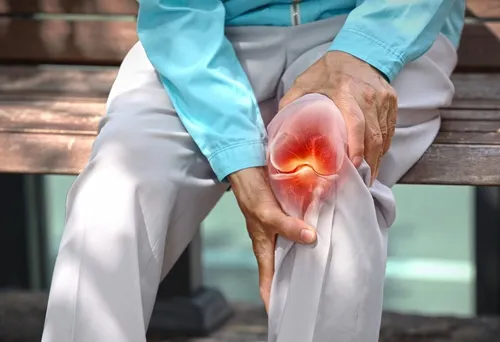
Why Your Legs Go Numb When You Sit Too Long

Breaking News Zambia
NewsHave you ever been sitting for a long time watching television, working at your desk or travelling, only to stand up and realise your leg feels numb or filled with a “pins and needles” sensation? This is something most people experience at some point in their lives. While it can feel strange and uncomfortable, it […]
Have you ever been sitting for a long time watching television, working at your desk or travelling, only to stand up and realise your leg feels numb or filled with a “pins and needles” sensation?
This is something most people experience at some point in their lives. While it can feel strange and uncomfortable, it is usually temporary and harmless. However, if it happens frequently or lasts for a long time, it could signal an underlying health problem that should not be ignored.
Why Do Your Legs Go Numb?
Leg numbness usually happens because pressure is placed on a nerve or blood vessel for an extended period.
When you sit in the same position for too long—especially with your legs crossed or bent underneath you—the pressure can temporarily reduce blood flow or compress nearby nerves.
As a result, the nerves cannot send signals normally between your leg and your brain, leading to numbness, tingling or the feeling that your leg has “fallen asleep.”
Once you change position and blood flow returns to normal, the sensation usually disappears within a few minutes.
What Causes the “Pins and Needles” Feeling?
The tingling feeling, often called pins and needles, occurs as the compressed nerves begin working normally again.
As the nerves recover, they send bursts of signals back to the brain, creating the familiar prickling sensation before normal feeling returns.
Common Situations That Cause Leg Numbness
Several everyday activities can trigger temporary numbness, including:
Sitting with your legs crossed for a long time.
Long-distance driving.
Sitting at a desk for several hours without standing.
Sleeping in an awkward position.
Travelling on buses, trains or aeroplanes for extended periods.
In most cases, simply moving around restores normal circulation.
Can Poor Blood Circulation Be the Cause?
Yes.
Poor blood circulation may also contribute to numbness.
Conditions such as peripheral artery disease reduce blood flow to the legs, making numbness more likely.
People with poor circulation may also notice:
Cold feet.
Leg pain while walking.
Slow-healing wounds.
Changes in skin colour.
If these symptoms occur regularly, medical evaluation is important.
Could It Be a Sign of Diabetes?
Frequent numbness in the legs or feet may be associated with diabetes.
Over time, high blood sugar can damage nerves in a condition known as diabetic neuropathy.
This often causes:
Tingling.
Burning sensations.
Numbness.
Reduced feeling in the feet.
People living with diabetes should report persistent numbness to their healthcare provider.
Vitamin Deficiency
A lack of certain vitamins, particularly Vitamin B12, may also affect nerve health.
Vitamin B12 plays an important role in maintaining healthy nerves.
Deficiency may cause:
Numbness.
Weakness.
Fatigue.
Difficulty walking.
A balanced diet and medical advice can help correct deficiencies.
When Should You Be Concerned?
Occasional numbness after sitting is usually harmless.
However, seek medical attention if:
Numbness lasts for several hours.
It happens frequently without an obvious cause.
It affects only one side of the body.
It is accompanied by weakness.
You have difficulty walking.
You experience loss of bladder or bowel control.
It occurs suddenly together with difficulty speaking or facial drooping.
These symptoms may indicate a more serious medical condition that requires immediate attention.
How to Prevent Leg Numbness
Simple habits can reduce the likelihood of experiencing numb legs.
Move Regularly
If you work at a desk, stand up every 30 to 60 minutes.
Stretch your legs and walk around briefly.
Avoid Crossing Your Legs for Long Periods
Changing your sitting position regularly reduces pressure on nerves and blood vessels.
Exercise
Regular physical activity improves blood circulation and supports healthy nerve function.
Walking, cycling and stretching exercises are excellent choices.
Stay Hydrated
Drinking enough water supports healthy circulation and overall body function.
Maintain a Healthy Weight
Excess weight can increase pressure on nerves and contribute to circulation problems.
Final Thoughts
Temporary leg numbness after sitting for a long time is usually caused by pressure on nerves or reduced blood flow. In most cases, the feeling disappears within minutes once you stand up and move around.
However, if numbness becomes frequent, persistent or is accompanied by other symptoms such as weakness or pain, it is important to seek medical advice. Early diagnosis can help identify conditions such as diabetes, vitamin deficiencies or circulation problems before they become more serious.
Taking regular breaks from sitting, staying active and maintaining a healthy lifestyle can go a long way in keeping your nerves and circulation healthy.





Community Feedback