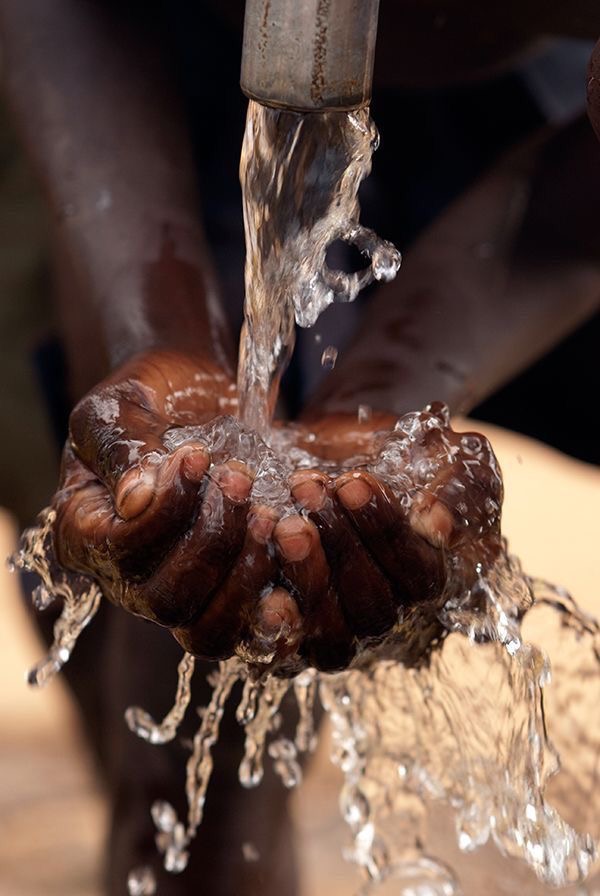
When clean water flows opportunities flow too; Commemorating the Day of an African Child.

Breaking News Zambia
TechnologyYesterday, Africa commemorated the Day of the African Child under the theme “Ensuring universal access to water, sanitation and hygiene for every child in Africa,” yet reality still remains the same, millions of children are still denied one of life’s most basic necessities,clean water.For many children in rural areas the day begins not with books […]
Yesterday, Africa commemorated the Day of the African Child under the theme “Ensuring universal access to water, sanitation and hygiene for every child in Africa,” yet reality still remains the same, millions of children are still denied one of life’s most basic necessities,clean water.
For many children in rural areas the day begins not with books and breakfast, but with a journey to fetch water.
Some walk long distances carrying heavy containers before sunrise, arriving at school exhausted or not attending at all.
The hours spent searching for water are hours stolen from education, play, and childhood itself.
Esther Mwale a school leaver from mongu explained that access to clean water is essential for both health and education.
Reflecting on her own experience, Esther says she missed school because of unsafe water and poor sanitation while she was in high school.
“My school at some point never had a sufficient water supply and the toilets were very unhygienic and unsafe,” she said.
“Most girls ended up with fungal infections, and when the situation became worse, classes were suspended while the problem was being fixed,” she recalls.
Mwale adds that such conditions negatively affect learners’ health and disrupt their education.
Mwale has since called on leaders to work closely with communities to improve water and sanitation services.
“Our leaders must help reduce pollution, ensure everyone has enough clean water, and respond quickly when communities report water shortages,” she said.
According to Esther, investing in water, sanitation and hygiene is key to protecting children’s health and ensuring they remain in school.
And for mothers their story is the same as lack of clean water and sanitation is the biggest challenge.
Cleo Banda a mother of four says Sometimes “we spend hours looking for water, and buying clean water is expensive,”she said.
She adds that poor sanitation facilities in their community also put their children at risk of diseases.
As a mother she notes that her children have suffered from illnesses caused by unsafe water, and sometimes they miss school because they are sick or because there is no water at home or at school.
“Dirty water or no water affects my children’s health, studies and just their overall wellbeing.”
Cleo said that there is need of reliable supply of clean water, improved sanitation facilities and quicker action from leaders when water shortages occur in the community.
”These changes would help us raise healthier children and give them a better future,” she said.
Meanwhile Michelle Zulu a human rights activist and child’s right advocate says lack of clean water and good sanitation crisis goes beyond infrastructure and strikes at the core of children’s rights.
”When a child drinks unsafe water, their right to health is stolen,” said Zulu.
In the same way when a girl misses school because there’s no toilet during her monthly cycle her right to education is denied and when women walk miles every day to fetch water, their right to dignity and safety is also compromised.
”Girls often carry the heavy burden of fetching water, which robs them of classroom time and childhood play.”
Zulu adds that without proper sanitation, many drop out of school once they reach puberty because they cannot manage menstruation with dignity.
”Children also face constant illness from waterborne diseases, making them weaker and less able to learn or grow.”
inadequate facilities are also a major cause to trapping children in cycles of poverty and inequality.
And all these effects are felt not only by children but also by mothers, who worry constantly about the safety and wellbeing of their families. Poor sanitation and water shortages deepen poverty, forcing families to spend scarce resources on healthcare and other emergencies.
The cycle of illness, missed education and limited opportunities continues unless lasting solutions are found.
Zulu believes change is possible if water and sanitation are treated as urgent rights rather than optional services.
”The government must invest in boreholes, safe toilets in schools and hygiene education.”
she adds that Stakeholders, NGOs, the private sector and communities should work hand in hand to create sustainable solutions.
And perhaps the most powerful reminder on this Day of the African Child is this: when clean water flows, opportunities flow too.




Community Feedback