What is really driving illegal fuel trading, especially in rural areas?

Breaking News Zambia
NewsA recent report from the Energy Regulation […]
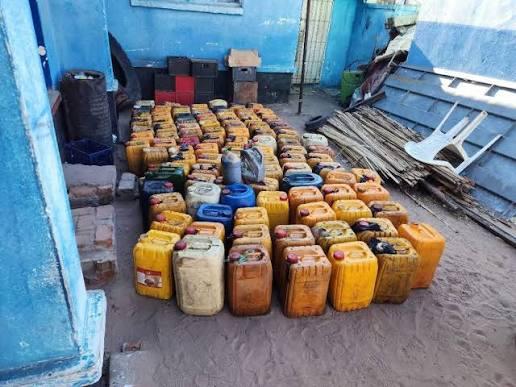
A recent report from the Energy Regulation Board (ERB) for 2025 has brought renewed attention to the persistent and growing challenge of illegal fuel vending in Zambia. The report reveals that by the end of last year, authorities had seized a staggering 19,500 litres of illicit petroleum products in coordinated operations across Eastern, Western, and North-Western provinces.
The ERB’s Illegal Vending Committee, working in tandem with law enforcement agencies such as the Drug Enforcement Commission and the Zambia Revenue Authority, launched a series of targeted enforcement actions in these three provinces, regions identified as major hotspots for illegal fuel activities.
These efforts led to the arrest of 69 suspects and the initiation of 49 cases, of which 34 have already been resolved in court and 15 are still under prosecution. Eastern Province emerged as the epicenter of illegal fuel trading, with 6,200 litres confiscated, 40 suspects arrested, and 4 ongoing cases. Western Province recorded 6,000 litres seized and 17 arrests, while North-Western Province saw 7,300 litres confiscated, resulting in 12 arrests and 9 cases under prosecution.
The report raises crucial questions about the underlying factors driving the illegal fuel trade Some attribute the rise in illegal fuel trading to a combination of economic pressures, including the lure of quick profits for vendors.
Regulatory loopholes and limited access to legal fuel sources especially in remote areas are also believed to contribute to the problem. As enforcement continues, authorities emphasize the need for strengthened community awareness and inter-agency coordination to address the root causes of fuel smuggling and safeguard the country’s energy sector.
Article by Samuel Phiri



Community Feedback