What African teams should have done to win the World Cup

Breaking News Zambia
SportsDespite outright making it to round 32 […]
Despite outright making it to round 32 at the 2026 World Cup (9 out of 10), only Morocco and Egypt managed to scrap through to the round of 16. Egypt was unfortunately eliminated by defending champions Argentina in a 3-2 thriller that saw the Pharaohs lead by 2-0 until the latter part of the match.
In a classic example of failing to maintain a considerable lead, however, the pre-match was dominated by displeasure from the Egypt coach and players, claiming poor officiating over two fouls that should have been reviewed, particularly the one leading up to the equalizer.
Morocco managed to get into the quarters, but one of the best hopes for the continent also bowed out of the tournament after losing 2-0 against Mbappé and Company, France. Ultimately, no African side will be represented in the semifinals of the tournament; however, the worrisome trend is one of losing after leading throughout the match until the 80th minute of the second half.
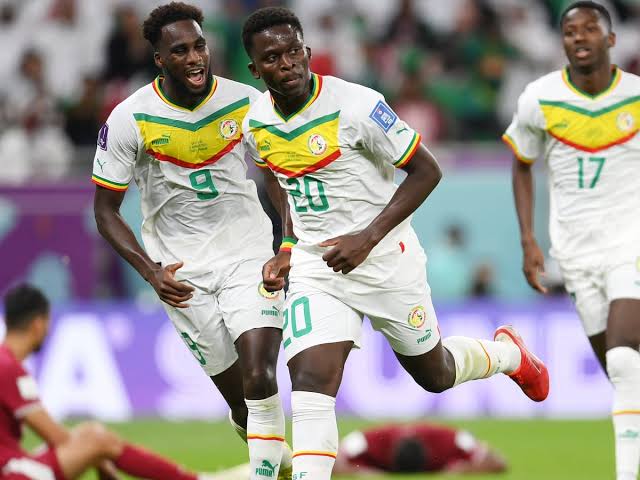
Analysts have questioned why this has been the case. Is it a tactical challenge or a lack of concentration? Take for instance, Senegal threw away a 2-0 lead against Belgium, eventually losing by 3-2, and Ivory Coast was at the tip of qualification for the round of 16 not until Norway scored in the 86th minute, losing by 2-1. Interestingly, Cape Verde, the surprise debutants, also lost it in the 111th minute against Argentina, putting an end to the hopes of one of the most exciting teams in the tournament.
Football analyst Moses Mpundu observed that the African teams lacked the tenacity to foresee the closure of the matches, a weakness that enabled their opponents to thrive. Observing that if the teams had dealt with the cases of tactical discipline, late-game concentration, and overall game management, the performance would have been so different—perhaps any of them would have reached the finals.
Mpundu added that this edition has not really shown any improvement for African teams, and the only way they managed to qualify for the round of 32 is because of the change of format. “The only difference is that it is an expanded World Cup, and we saw African teams making it to the round of 32, but if we analyze critically, the most fascinating stage is the round of 16 and quarters, and that’s where we have seen a lot of problems.”
“There is less improvement from African teams in terms of performance, and there is a slight improvement by player status. At least we are able to match player to player, competing with world-class players; they dominated and scored but failed to win.”
He observed that the major reason for the slump in the last 10 minutes of the match is a lack of resilience. “Resilience and character to finish the game—this has brought a certain bias amongst African teams, but at least for the first time most teams have won something; Senegal, Ghana, Ivory Coast, and others succumbed to pressure despite playing better.”
However, with the increase of slots for African teams to 10, Mpundu tipped the Chipolopolo to feature at the competition for the first time under George Lwandamina and warned that the teams that featured in the current edition might find it hard to qualify next time due to the competitiveness across the continent.
Article by Samuel Phiri







Community Feedback