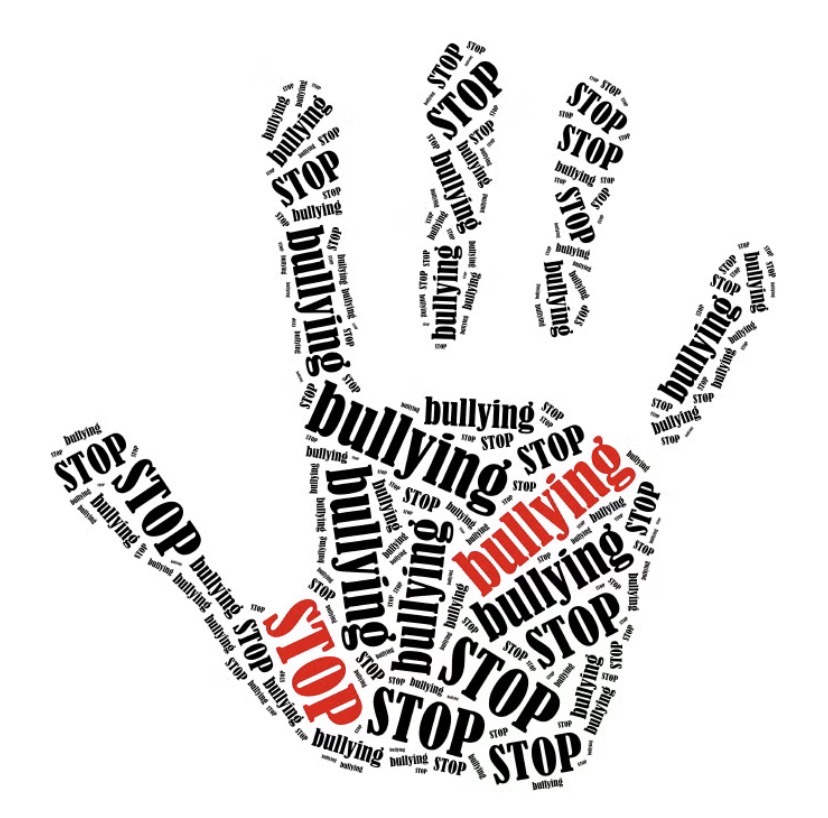
The unseen weight of bullying in zambian schools

Breaking News Zambia
NewsLong after physical wounds heal, the psychological impact of bullying remains a heavy, unseen weight that a child carries into every room they enter. When a young person experiences intimidation or assault in a space meant for learning, the emotional foundation of their world breaks down. Understanding the deep psychological toll of bullying reveals why […]
Long after physical wounds heal, the psychological impact of bullying remains a heavy, unseen weight that a child carries into every room they enter.
When a young person experiences intimidation or assault in a space meant for learning, the emotional foundation of their world breaks down.
Understanding the deep psychological toll of bullying reveals why its effects extend far beyond a single incident.
Home and school are the two foundational pillars of a child’s environment. When abuse occurs inside a dormitory or classroom, the brain’s internal alarm system shifts into chronic hypervigilance.
For several weeks now, there has been renewed attention to a bullying case that has resonated with many Zambians. People continue to condemn it, stating that bullying does not simply happen and end. It lingers like a heavy shadow, seeping into every corner of a person’s life.
According to psychosocial counselor and mental health educator Lubinda Namatama, the recent bullying video and other forms of intimidation toward fellow learners should be treated as punishable offenses.
“Such behaviors should not be tolerated in schools, as they have a diverse impact on mental health,” she said.
“A school should be a safe environment for every learner, and no one should suffer in silence and fear. It is a place for personal development and growth, and learners should be free to report all forms of abuse without intimidation.”
Lubinda has urged teachers and counselors to counsel both the victim and the perpetrator, because some learners bully others due to bullying they experienced in their own lifetime.
“The heaviest weight a child can carry into a classroom is the fear of their own peers. Some bullying is a reflection of how someone was once treated, and they fail to let go of it, so they inflict it on others. That is why both parties should be reprimanded, especially when minors are involved,” she stated.
If hurt children grow up to become the ones who hurt others, then who will break the cycle if we don’t intervene now?
According to Boy Child Advocacy Zambia (BCAZ) Director Taurai Kazayo says the incident should not only be viewed from the perspective of punishment, but also from the need to rehabilitate and guide the children involved in bullying.
“Accountability must therefore be pursued alongside rehabilitation, counseling, and character development,” Kazayo said.
“No child should have to endure violence, intimidation, or degradation in a place that is meant to provide safety, education, and development.”
“The boy accused of assault also needs due process, accountability, and appropriate intervention. Discipline must correct, not merely destroy,” Mr. Kazayo said.
He emphasized that this incident should not be ignored. It should prompt deeper reflection on how boys, particularly in boarding schools, are being raised and disciplined.
“Are we teaching boys only how to succeed, or are we also teaching them how to respect others, control themselves, and protect the vulnerable?”
Mr. Kazayo advises that the incident should not end with public reactions. It should lead to reflection and meaningful change in how bullying is addressed.
“This moment should not only produce outrage. It must produce accountability, reflection, healing, and change.”
“A strong boy is not one who can beat another boy. A strong boy is one who can control his strength, protect the vulnerable, and use his influence to build others.”


Community Feedback