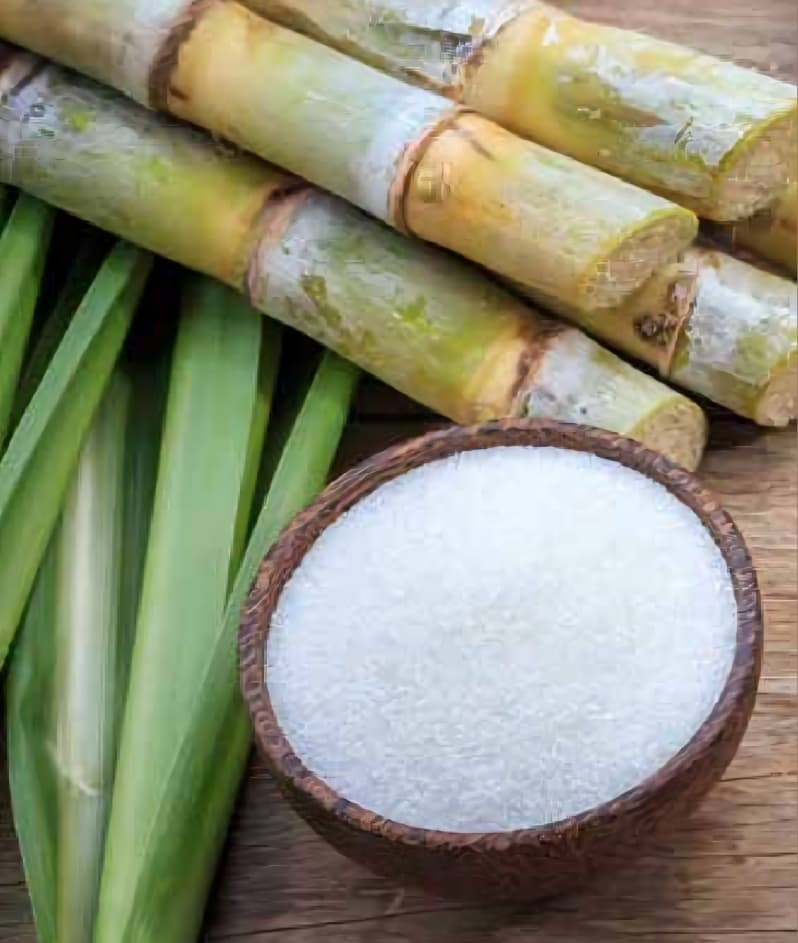
Did you know that Zambia exported K125.5 million worth of raw cane sugar to DR Congo in June?

Breaking News Zambia
NewsAccording to the Zambia Statistics Agency (ZAMSTATS) […]
According to the Zambia Statistics Agency (ZAMSTATS) July 2026 report, Zambia exported raw cane sugar worth K125.5 million to the Democratic Republic of Congo during the month of June.
Speaking in an interview with Zambian Business Times – ZBT, Livingstone Cooperatives Union (LCU) Chairperson, Rwinick Mapanza said Zambia should move away from exporting raw products and instead focus on processing them locally before they are sold to international markets.
“I think Zambia is now shifting from exporting raw materials, and we are very much encouraging value addition to most of our products,” said Mapanza.
He added that although raw cane sugar may undergo further refining in the importing country, exporting unprocessed products ultimately means Zambia loses employment and industrial opportunities.
“For the raw cane sugar being exported, I think it has to be fully processed because when we export it in raw form, it means we are exporting jobs,” said Mapanza.
Meanwhile, he indicated that processing agricultural products within Zambia would enable the country to earn more foreign exchange while strengthening local industries and creating sustainable employment.
“So, for us to maximize and make good money and utilize our human resources, I think we need to finally process everything just like the products we import, which come to us already finished,” said Mapanza.
The Chairperson, however, acknowledged that in some cases foreign buyers may specifically request raw cane sugar to suit their own refining requirements and industrial standards.
“Except that there are instances where the importer might request a particular type of sugar so that when it reaches that country they do a second refining process,” said Mapanza.
He further noted that Zambia’s sugar industry is supported by both large commercial producers and thousands of out-grower farmers who supply sugarcane to processing companies.
“If you go to Nakambala, there are small-scale farmer out-growers who produce sugarcane and sell it to Zambia Sugar Company, but they cannot process it because they do not have the processing facilities,” said Mapanza.
By Philip Sinkala




Community Feedback