THE EYE VIEW: Zambia’s Tribal Politics – When do we stop?

Breaking News Zambia
News124 Views Tribal Politics: Zambia’s Greatest Democratic Challenge By Mbanga Ilukui Irvine With less than 40 days remaining before Zambia’s general election, one uncomfortable reality has once again moved to the centre of national politics—tribalism. Election campaigns should ideally be contests of ideas, policies and leadership. Instead, every election cycle seems to reopen old regional […]
124 ViewsTribal Politics: Zambia’s Greatest Democratic Challenge
By Mbanga Ilukui Irvine
With less than 40 days remaining before Zambia’s general election, one uncomfortable reality has once again moved to the centre of national politics—tribalism.
Election campaigns should ideally be contests of ideas, policies and leadership. Instead, every election cycle seems to reopen old regional and ethnic divisions that many hoped Zambia had left behind.
Recent political campaigns have once again exposed this worrying trend.
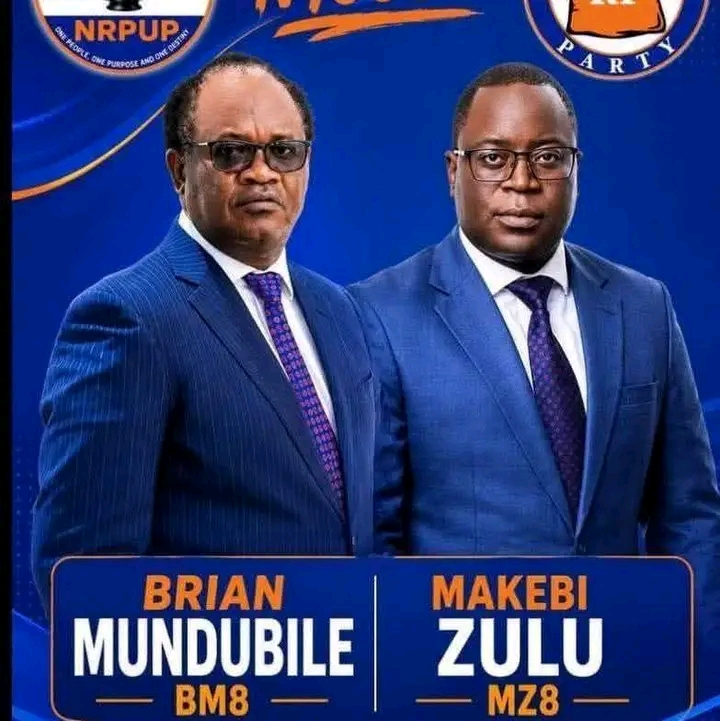
Mundubile and Makebi address Kasama rally
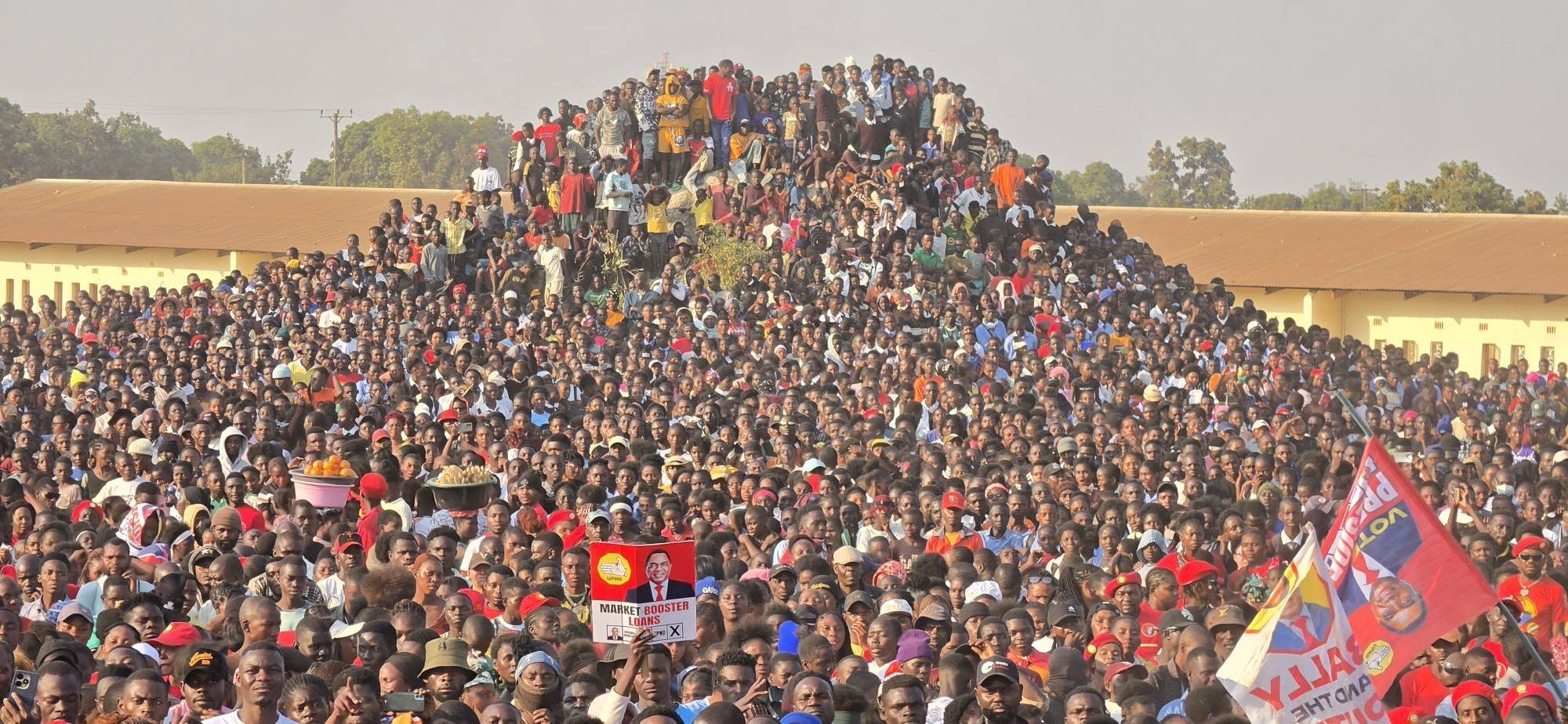
The opposition Tonse Pamodzi Alliance, led by Brian Mundubile and his running mate Makebi Zulu, has rapidly attracted large crowds across several provinces despite being a relatively new political formation. The alliance has also received endorsements from some traditional leaders and opposition political figures.
Part of its campaign messaging has encouraged supporters to vote with the same unity seen in provinces that traditionally vote overwhelmingly for one political party. Whether intended or not, such messages inevitably feed into existing regional political identities.
On the other hand, the ruling UPND, led by President Hakainde Hichilema, has also not entirely escaped criticism.
Although the President has largely campaigned on his government’s economic record and development agenda, some of his remarks during campaign meetings have generated debate. In Western Province, for example, he referred to what he described as historical discrimination against Lozis in employment and public service under previous administrations. Supporters viewed the remarks as historical context, while critics interpreted them as unnecessarily reviving regional grievances.
Whichever interpretation one accepts, the broader concern remains the same.
Why do elections in Zambia continue to drift towards ethnic and regional narratives?
More importantly, when does it stop?
How We Got Here
Anderson Mazoka
To understand today’s political environment, one has to revisit the events following the death of UPND founder Anderson Kambela Mazoka in 2006.
During the succession debate, some senior party members publicly argued that only a Tonga should lead the UPND. Those comments quickly became national headlines and reinforced perceptions that the party was organised along tribal lines.
Political opponents seized on that narrative, and over the years the “tribal party” label became one of the most persistent political attacks against the UPND.
Whether fair or unfair, the accusation shaped Zambia’s politics for more than a decade.
At the same time, many supporters within Southern Province increasingly felt their community was being unfairly targeted because of those perceptions. That sense of political victimhood strengthened the party’s support base in the region.
The cycle had begun.
As one side accused the other of tribalism, the other responded with even stronger regional solidarity.
Rather than weakening ethnic politics, both sides inadvertently reinforced it.
The Politics of Regional Strongholds
Over time, Zambia has witnessed extraordinary voting patterns that are difficult to explain through policy preferences alone.
Entire constituencies have recorded overwhelming support for one political party while giving almost no votes to another.
Such electoral outcomes demonstrate not only political loyalty but also the extent to which regional identity has become intertwined with political affiliation.
The current campaign appears to be following a similar pattern.
Observers have noted growing regional endorsements, with traditional leaders in different parts of the country publicly welcoming different presidential candidates.
Traditional leaders have every right to receive political visitors and encourage peaceful elections. However, when endorsements increasingly mirror regional political preferences, the perception of tribal politics becomes even stronger.
Beyond Elections
The challenge extends beyond campaign rallies.
Every administration has faced accusations of favouring certain regions or ethnic groups in appointments to senior government positions.
The Patriotic Front was criticised for it.
The UPND has faced similar accusations.
Likewise, public recruitment into sectors such as education, health and security has frequently attracted allegations of regional imbalance.
Whether those perceptions are always supported by evidence is a matter of debate. However, perception itself matters because public confidence depends not only on fairness, but also on the appearance of fairness.
A government that reflects Zambia’s diversity strengthens national unity.
Time to Break the Cycle
The greatest danger is not simply that tribal politics influences elections.
The greater danger is that successive generations begin to believe that leadership belongs to particular regions rather than to all Zambians.
That would fundamentally undermine the national identity built by Zambia’s founding leaders.
Political parties will come and go.
Governments will change.
But Zambia will remain.
Our democracy cannot mature if elections become contests between ethnic identities instead of competing visions for national development.
Citizens should ask difficult questions of every political party.
What is your economic plan?
How will you create jobs?
How will you improve healthcare?
How will you strengthen education?
Those are the questions that should determine votes—not surnames, languages or places of birth.
The Zambia We Want
President Kenneth Kaunda’s enduring slogan, “One Zambia, One Nation,” was not merely a campaign phrase.
It was a nation-building philosophy.
Today, perhaps more than at any other time in recent years, Zambia needs to rediscover that philosophy.
Political competition is healthy.
Tribal competition is not.
If we fail to reverse this growing trend, we risk leaving future generations a country increasingly divided along lines that should never determine political leadership.
Zambia can—and must—do better.
One Zambia. One Nation.
The EYE VIEW is Zambian Eye’s weekly opinion column. The views expressed are those of the author and do not necessarily reflect the editorial position of Zambian Eye.
By Mbanga Ilukui Irvine
Fayetteville, Arkansas, United States
Community Feedback