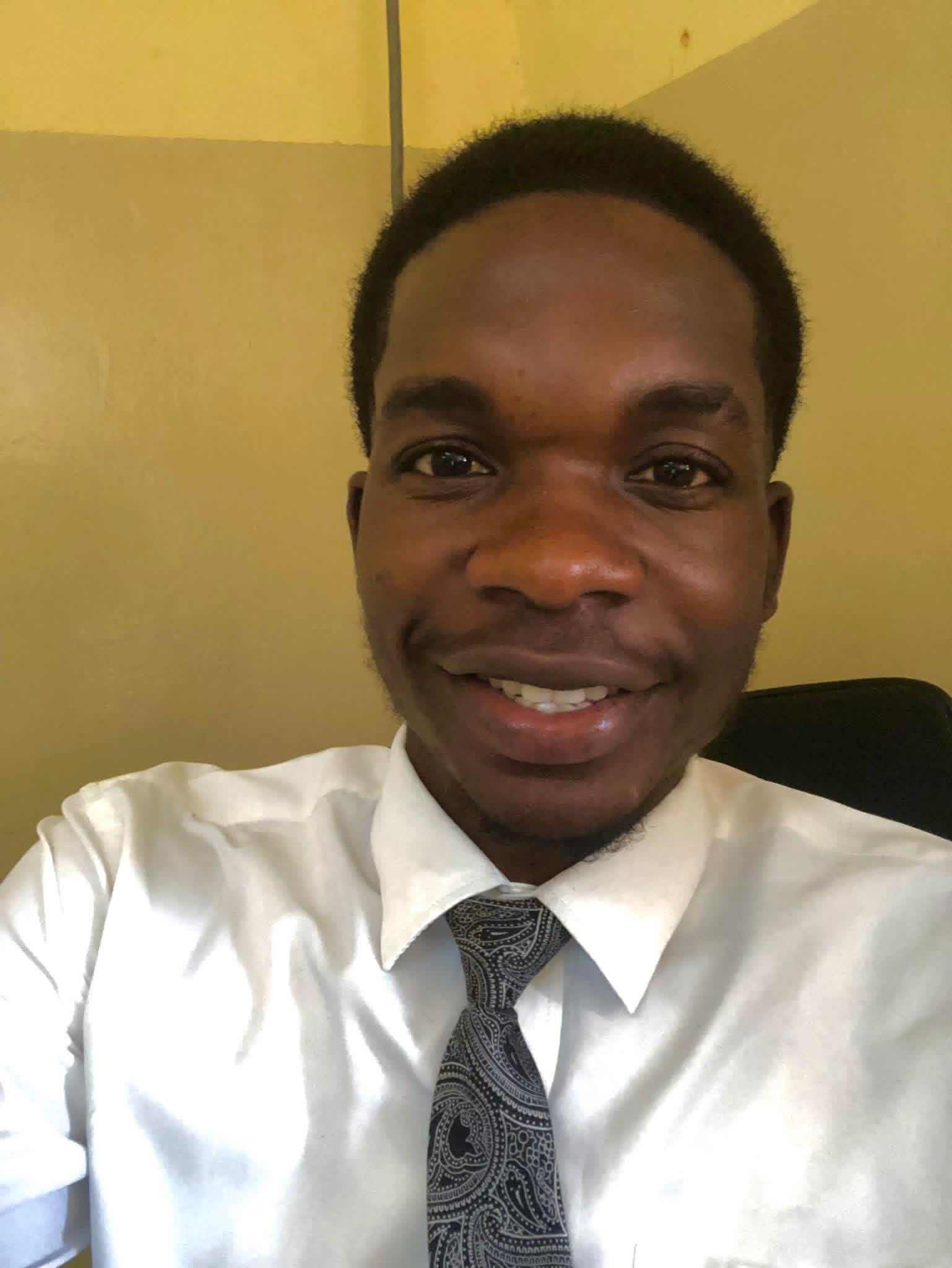
SHUWA was sure, but will the next one be?

Breaking News Zambia
NewsSHUWA was sure, but will the next one be? At the University of Zambia, UNZASU elections are not simply about who buys you lunch in the hostels. They are about power, influence, representation, and, perhaps most importantly, the ability to stand up for students. Shuwa Shuwa has been sure of himself from day one. Perhaps […]
SHUWA was sure, but will the next one be?
At the University of Zambia, UNZASU elections are not simply about who buys you lunch in the hostels. They are about power, influence, representation, and, perhaps most importantly, the ability to stand up for students.
Shuwa Shuwa has been sure of himself from day one. Perhaps that is why he named himself “Shuwa.” Amid institutional crisis, he kept students calm with the “you will be guided accordingly” strategy.
But the real question on the Great East Road campus now is this: Will the next UNZASU president be as sure of their decisions as Shuwa was, or will UNZA politics swallow them the way it has swallowed many leaders before?
The lineup includes Lisa Phiri, popularly known as Moma wa Data;Peter Monga popularly known as UNZA Tungku;Ronald popularly known as Ronald expensive;Francis Chilufya of Thee Mind TV; Belden Habanyati, also called Honorable HB; and UNZA Lumumba. Also featured are Amos Mwale, popularly known as Mula One, and Titus Chisha, popularly known as Commander Tilo, who are both allegedly contesting for the presidency.
The UNZASU president speaks on behalf of thousands of students. They sit in Senate and Council and engage with the Ministry of Education, the Higher Education Loans and Scholarships Board (HELSB), and university management.
When meal allowances are delayed, hostels are overcrowded, or tuition fees increase, students look to UNZASU House for answers.
That is why political parties, former student leaders, civil society actors, and even national politicians watch UNZA politics closely. An UNZASU president who performs well can go on to occupy influential positions in student movements, political parties, or NGOs. One who fails can quickly become a case study in what not to do.
Typically, between five and eight candidates may contest the presidency. Turnout is often high because students understand that the election can have a direct impact on issues affecting their daily lives, including allowances, accommodation, and student welfare.
But UNZA politics is rarely that simple. It is a politics of blocs.
There is something else that separates UNZA from many other universities: a culture of protest and political expression.
At UNZA, students have historically been willing to take their grievances beyond petitions and meetings. Demonstrations, sit-ins, marches, chants, placards, and public statements have become part of the university’s political culture.
This is not simply about making noise. It reflects a deeper expectation that student leaders must be willing to stand in front when students are angry and vulnerable.
UNZASU president therefore cannot afford to be invisible.
There is an unwritten expectation that when the university community is facing a serious problem, its leader should be seen, heard, and, where necessary, prepared to take a position.
That culture is one of the qualities that makes UNZA student politics different from that of many other universities. At some institutions, student leadership can remain largely administrative. At UNZA, the presidency can quickly become a political battlefield.
But protest alone is not leadership.
The difficult part is knowing when to protest, what to protest about, and when to leave the streets and sit at the negotiating table.
That balance is what makes the UNZASU presidency so demanding.
Shuwa Shuwa came into office loudly. He picked fights, issued statements, marched, and made his position known.
Students either loved him or disliked him, but few could accuse him of being unclear about where he stood.
That is unusual at UNZA.
The UNZASU presidency can be a political trap. Take an overly confrontational approach toward management and you risk being shut out of important discussions. Take an overly conciliatory approach and students may label you “management’s president.”
Previous presidents have found themselves on both sides of that divide. Some were praised for maturity but accused of compromising too much. Others were celebrated for activism but criticised for failing to deliver tangible results.
Shuwa chose his lane and stayed in it.
That consistency and the “Shuwa-ness” may be one of the qualities the next president will ultimately be judged against.
But the next president will need more than certainty. They will need the courage to preserve UNZA’s culture of standing out, while also possessing the political maturity to understand that every battle cannot be won through confrontation.
The question, then, is not whether the next president will protest.
The question is whether they will know what is worth protesting for and what is worth negotiating for.
Because UNZA has never been known for producing student leaders who simply watch from the sidelines.
It produces leaders who are expected to stand up, stand out, and, when necessary, stand in front.
Community Feedback