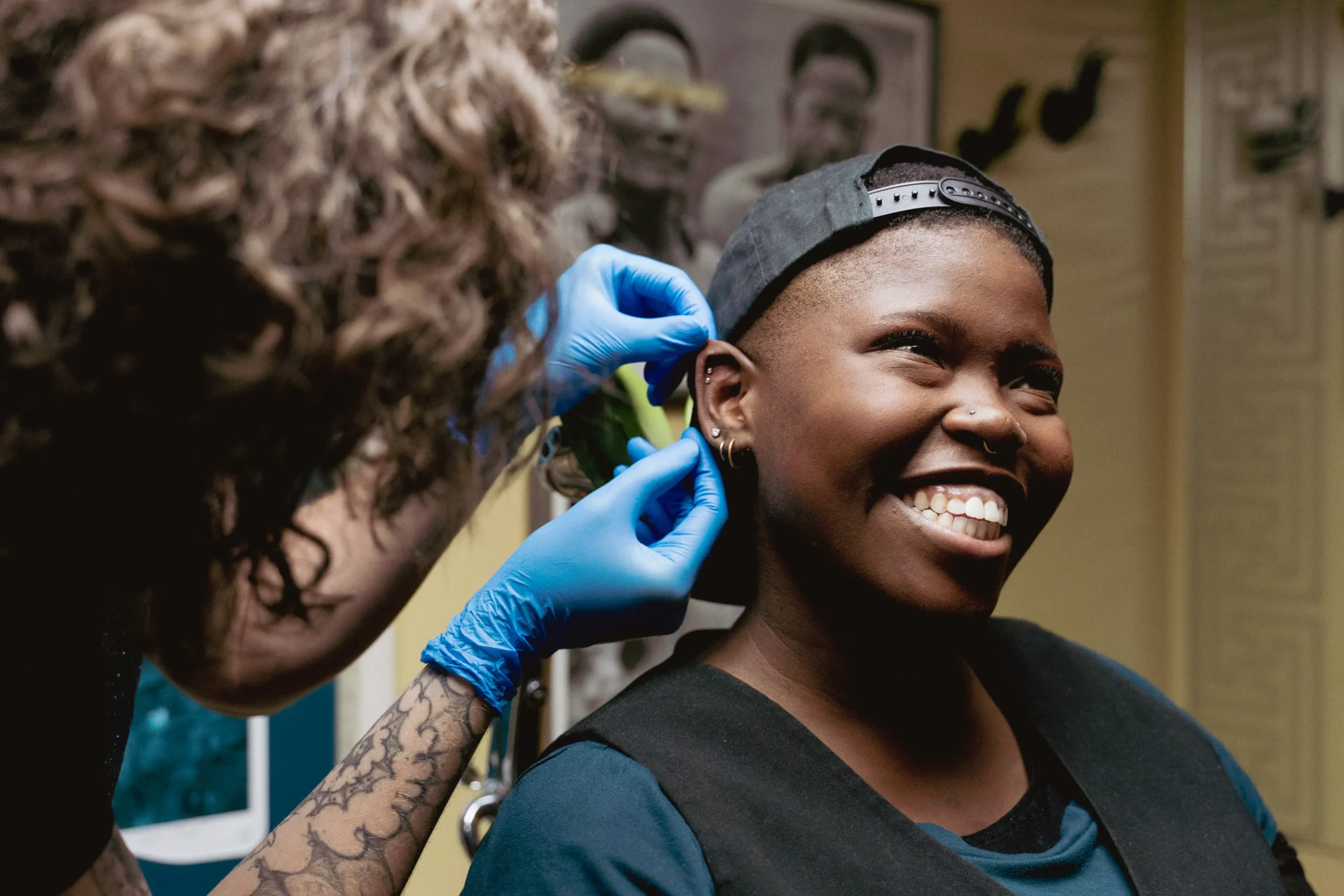
Should piercing and tattoo artist undergo basic health training?

Breaking News Zambia
NewsTattooing and body piercing have become increasingly […]
Tattooing and body piercing have become increasingly common forms of personal expression, but the procedures also involve breaking the skin and therefore require proper hygiene and safety measures.
Speaking in an exclusive interview with Zambian Business Times-ZBT Dr Chifumbe Mkandawire said practitioners do not necessarily have to be medical doctors or nurses, but should have appropriate training to understand the risks involved and safely carry out the procedures.
He said such training should cover areas including anatomy, skin integrity, infection prevention, blood-borne pathogens, sterilisation, wound care and recognition of complications.
Dr Mkandawire said the issue should not simply be about who can operate a tattoo machine or piercing needle, but whether the practitioner understands what happens when the skin barrier is broken. “The problem is not simply who can hold a tattoo machine or piercing needle; it is whether that person understands what happens when the skin barrier is broken, how to prevent infection, how to recognise abnormal healing, and when a client needs medical attention,” he said.
He said infection is one of the common concerns associated with tattoos and piercings and can lead to cellulitis, abscesses and poor wound healing. “Contaminated needles or equipment can create a risk of transmitting blood-borne infections such as hepatitis B, hepatitis C and HIV and the use of poor technique can result in excessive tissue trauma, bleeding, scarring and poor cosmetic results,” said Dr. Mkandawire
For body piercings, Dr. Mkandawire noted that some clients can develop hypertrophic scars or keloids, particularly those who are susceptible to them. He added that tattoos can also cause allergic or inflammatory reactions to pigments, with some reactions occurring immediately while others may develop months or even years later.
“Although tattoos and piercings are cosmetic procedures, they involve breaking the skin barrier and should therefore be carried out using appropriate infection-control measures,” he noted. He also mentioned that practitioners also need to be able to recognise abnormal healing and understand when a client needs medical attention.
His remarks come after growing concerning regarding piercing and tattoo procedures with majority of people conducting these alterations lacking basic training or medical knowledge to perform such procedures on one of the human bodies sensitive parts the skin. However his remarks also raise a regulation question should piercing and tattoo artist undergo basic health training?
By Karen Ngulube




Community Feedback