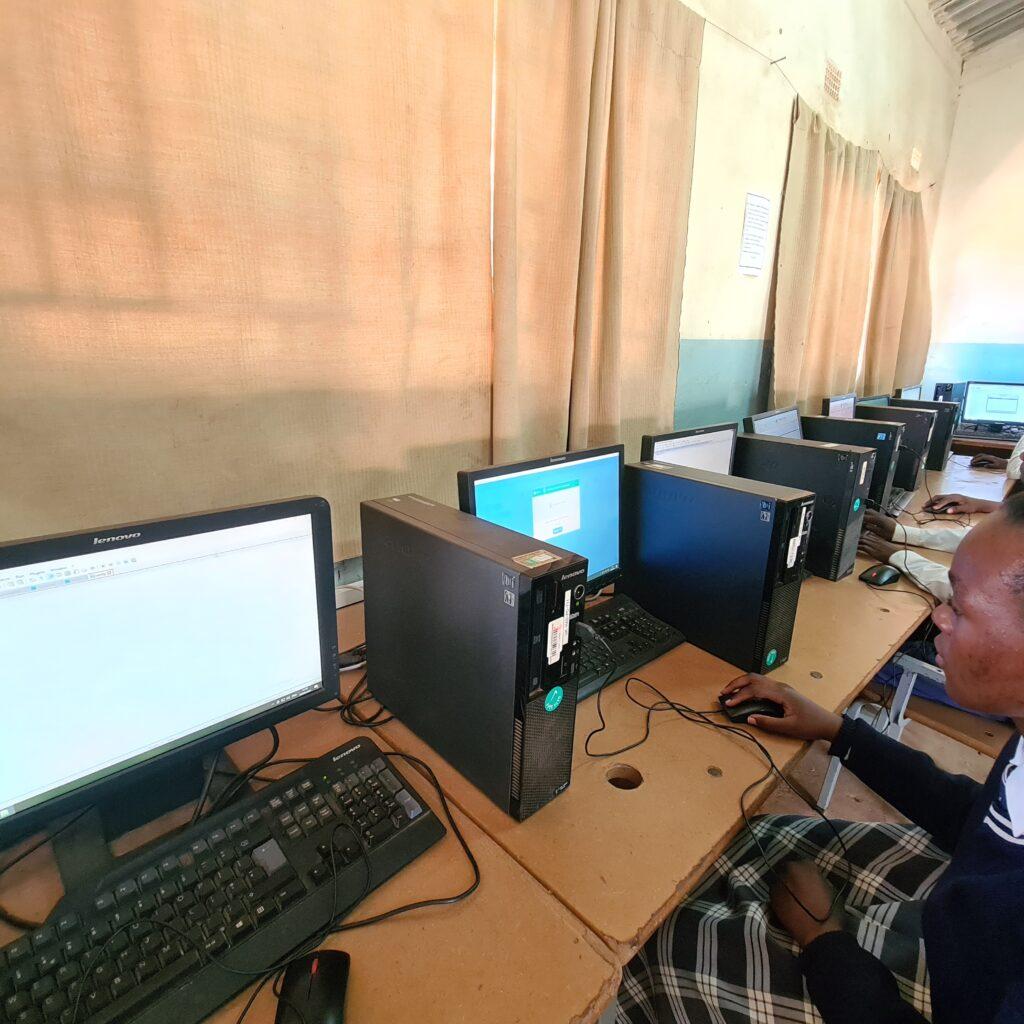
Schools in Lumezi hiring computers for exams

Breaking News Zambia
EntertainmentIn an increasingly digital world, technology has […]
In an increasingly digital world, technology has become more than just a tool of convenience it is now a fundamental driver of education, innovation, and economic development. From classrooms and workplaces to healthcare facilities and businesses, digital skills are rapidly becoming essential for participation in modern society.
As countries embrace technological advancement, schools are expected to serve as the foundation upon which future generations acquire the knowledge and skills needed to thrive in a technology-driven economy. However, the reality is far different for many learners in rural Zambia.
Speaking in an exclusive interview with Zambian Business Times -ZBT, former Lumezi Council Chairperson Oliver Mwale revealed that many schools in Lumezi District are struggling to effectively teach computer studies due to a shortage of computers and inadequate ICT infrastructure.
Mwale said although computer studies have been introduced from Grade 8, most schools lack sufficient computers and properly equipped laboratories to provide learners with practical lessons. He explained that while pupils are being taught the theoretical aspects of computer studies, limited access to computers is preventing many from gaining the hands-on experience necessary to develop critical digital skills.
“Computer studies are there in schools, but the challenge is that most schools do not have enough computers for learners. Practical learning is important if pupils are to fully understand and benefit from the subject,” he said.
Mwale noted that the shortage of computers threatens to widen the digital divide between rural and urban learners, potentially limiting opportunities for students in areas such as Lumezi to compete effectively in higher education and the modern job market. He has since called for increased investment in ICT infrastructure to ensure that learners in rural communities are not left behind as Zambia advances its digital transformation agenda.
Article Karen Ngulube







Community Feedback