
Maize prices drop! – Who are the winners & who are the losers?

Breaking News Zambia
MusicAccording to official government data, the average […]
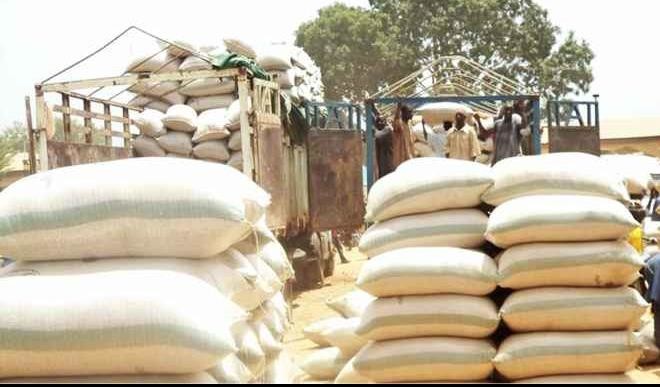
According to official government data, the average price of maize grain has declined by 10.9 percent, falling from K142 per 20 litre tin recorded in May 2025 to K126 in May 2026, signaling improving market conditions driven largely by increased supply and easing pressure within Zambia’s grain value chain.
In an exclusive interview with Zambian Business Times, Stone Peak Trading Managing Director Phillip Tembo attributed the decline in maize prices to Zambia’s recovery from previous drought conditions and the stabilisation of supply after two consecutive bumper harvest seasons. Tembo explained that in 2024, the country had just emerged from a difficult drought period, which significantly pushed grain prices upwards and created uncertainty across the market.
“Coming back to 2024, we had just come off a drought year before we had the bumper harvest last year. Because of that, prices were already high and even as we moved into the harvest period, the market had not yet fully adjusted despite projections showing that production would improve,” he said.
He noted that during that period, millers maintained relatively high prices while exchange rate pressures also contributed to elevated costs throughout the supply chain. “A lot of millers had held their prices high and even the exchange rate was also quite high at the time. But when we compare the situation to now, the Kwacha has appreciated against the dollar and that has helped create some price stability,” Tembo explained.
According to Tembo, confidence among millers has significantly improved following two consecutive bumper harvest seasons in 2025 and 2026, reducing panic buying and increasing competition-driven efficiency in the market.
“The millers are now comfortable with two bumper harvest years in a row. There is excess maize on the market and nobody is panic buying at the moment. Everyone is buying at their own pace because there is enough supply available,” he said.
He further explained that excess supply has reduced competition among buyers, allowing millers to purchase maize at lower prices and pass those savings directly to consumers. “Because there is no aggressive competition among millers right now, they are buying maize much cheaper and those savings are being transferred onto the consumer through lower prices,” he added.
Looking ahead to the upcoming farming season and growing concerns over possible El Niño weather disruptions, Tembo cautioned that farmers are facing difficult decisions due to rising production costs, particularly fertilizer prices influenced by ongoing geopolitical tensions in the Middle East.
“With the coming season, it is honestly a bit tough because there are many factors at play. On the input side, we have seen rising costs due to the Middle East conflict, while on the other hand maize prices on the market remain low,” he said.
Tembo said these market conditions could push many farmers to shift away from maize production toward crops requiring lower fertilizer usage and offering stronger returns. “I anticipate many farmers may move away from planting maize because it requires a lot of fertilizer and prices are currently low. Instead, many could shift towards more profitable crops such as soybeans depending on their field sizes,” he noted.
He advised farmers to focus on careful crop planning and avoid rushing into expensive input purchases while global market volatility remains high. “It is important for farmers to have a clear crop plan and secure inputs at good market prices.
Right now, after the onset of the Middle East conflict, prices had risen but are now beginning to come down. Farmers should avoid panic buying and allow the situation to stabilise so they can purchase at more normal prices,” he said. \ The decline in maize grain prices is expected to bring relief to consumers and millers alike, while also highlighting how improved production cycles, exchange rate stability, and strong harvest performance continue to shape food price trends across Zambia’s agricultural sector.
Article by Francine Chibuye





Community Feedback