Kalomo Livestock Farmers Face Delays in Disease Testing

Breaking News Zambia
NewsLivestock farmers in Kalomo District are facing […]
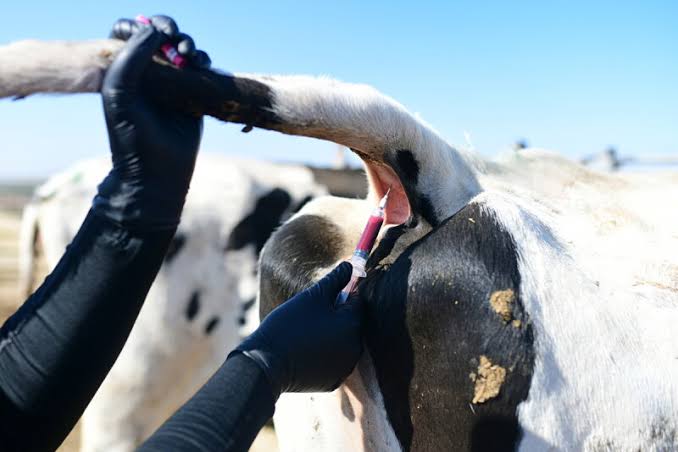
Livestock farmers in Kalomo District are facing delays in diagnosing animal diseases due to the lack of a local veterinary laboratory, forcing authorities to send samples to Choma or Saka for testing.
Speaking in an exclusive interview with Zambian Business Times-ZBT former Kalomo District Council Chairperson Coy Makaya said the district, which is a major crop and livestock-producing area, needs its own veterinary laboratory to speed up disease diagnosis and treatment.
Makaya said delays in transporting samples and obtaining results could result in animals dying before the cause of a disease is established.
“We are advocating or we are still looking forward to finding a window that can have our own laboratories so it is easier to prescribe the drugs for animals in case of an outbreak,” he said.
He said veterinary officers currently depend on facilities outside Kalomo to establish the cause or nature of diseases affecting livestock.
Makaya said the process of sending samples to Choma or Saka can take time, delaying interventions by veterinary officers.
“They will need to go to Lusaka, Choma, to go and do the testing. So you go through that process, so no officers and all that. It might take a bit of time. Until then, the animals start dying,” he said.
He said farmers could lose animals before authorities establish what disease they are dealing with.
“Before you know the cause of the problem, you might lose an animal or so,” Makaya said.
Makaya said Kalomo is a hub of both crop and livestock farming and is ranked second in Southern Province after Monze District in livestock production.
He said establishing a veterinary laboratory in the district would help authorities respond faster to disease outbreaks and support farmers.
Makaya said while the district had seen development in sectors such as health, education and agriculture, veterinary services remained an area requiring further attention.
He said improved veterinary infrastructure would also support the wider agricultural economy by helping protect livestock, which is an important source of income for farmers in the district.
by Karen Ngulube





Community Feedback