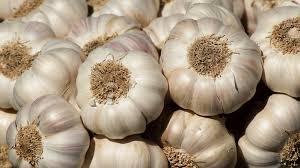
Garlic exports stalled by persistent quality concerns

Breaking News Zambia
EntertainmentDespite surging global demand for high-value horticultural […]
Despite surging global demand for high-value horticultural exports, Zambia’s garlic remains largely absent from international markets due to persistent quality challenges at the farm level.
According to Francis Chama, President of the Farm Produce Association, the primary obstacle for the country’s garlic sector is the widespread failure among small-scale growers to meet technical production standards.
In an interview with Zambian Business Times (ZBT), Chama identified quality as the critical barrier to export success. “The problem with our local farmers is that while they want to grow garlic, but they don’t follow production specifications, soil preparation, spacing, everything is overlooked,” he explained.
Chama further cited improper use of agrochemicals and poor seed selection as compounding factors.
“Farmers often don’t apply chemicals as required and use substandard seed—sometimes seed that others have already rejected,” he said. The consequence is a product that struggles to meet international market requirements. “Our local garlic is not white, it’s maroonish,” Chama noted, adding that inconsistent were bulb size and quality further undermines export prospects. “Out of six bulbs, maybe four are acceptable, and two are not, resulting in an overall perception of low quality.”
Chama emphasized that Zambia’s garlic production is currently dominated by small-scale farmers, who would benefit from early engagement with experts to access technical guidance rather than relying on informal advice.
As Zambia’s horticulture sector seeks to diversify into high-value export crops, Chama’s observations highlight urgent gaps in agronomy, seed systems, and post-harvest handling that must be addressed to unlock new markets.
Article by Francine Chibuye









Community Feedback