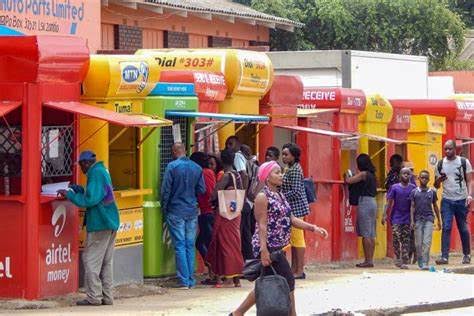
Did you know that ZRA collected over K170 million in mobile money levy in 2026 Q1?

Breaking News Zambia
NewsAccording to official government data, the Zambia […]
According to official government data, the Zambia Revenue Authority (ZRA) collected a net K170 million in mobile money levy during the first quarter of 2026 compared to K48.5 million collected during the same period in 2025. The figures represent an increase of about K121.5 million, translating into growth of more than 250% in one year, highlighting the rising contribution of digital transactions to government revenue.
Speaking in an interview with Zambian Business Times— ZBT, economist Enoch Hachibi attributed the sharp increase to stronger tax compliance, improved technology, and the growing use of mobile money across the country.
“There are three drivers here: first is compliance and technology because ZRA and the mobile network operators tightened integration; second, mobile money has become the default for person-to-person transfers, merchant payments, and bill payments; and third, any changes to exemptions or thresholds would also widen the tax base,” said Hachibi.
He noted that if the first-quarter trend is maintained throughout the year, the government could collect about K680 million in mobile money levy, making it a significant source of domestic revenue for the treasury. However, Hachibi cautioned that the levy also affects households because every mobile money transaction, including sending money to relatives, buying ZESCO units, or paying traders, attracts the tax.
“For low-income households this is a micro tax on daily life because even small payments attract the levy, and although the amount may appear small, it accumulates over time,” he said.
Hachibi further observed that small and medium enterprises also face higher transaction costs, forcing some businesses to encourage customers to pay in cash or use bank transfers to reduce expenses.
“Government should protect low-value transactions by introducing exemptions or thresholds because such measures would safeguard poor households while allowing larger commercial payments to continue contributing to revenue,” he said.
Hachibi added that the government should clearly demonstrate how the levy is being used, warning that while the projected K680 million annual revenue could strengthen public finances, sustained growth in digital payments would depend on reinvesting part of the collections into digital infrastructure, cybersecurity, and financial inclusion.
By Karen Ngulube


Community Feedback