
Can Zambia see real value out of raw maize exports without value addition?

Breaking News Zambia
MusicZambia is expected to record a bumper […]
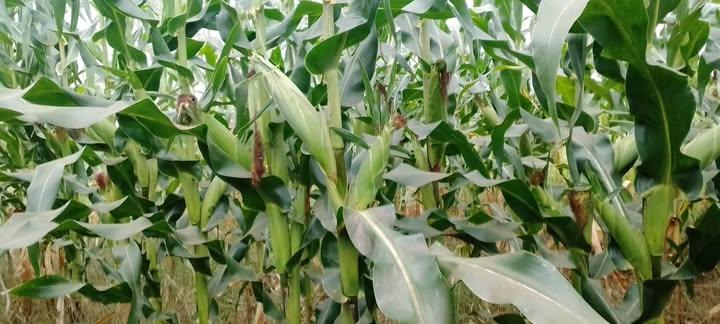
Zambia is expected to record a bumper harvest of 4.9 million metric tonnes of maize in the 2025/2026 farming season. With the recent uplift of the ban on maize exports, traders can now move surplus grain into regional markets, with the Democratic Republic of Congo among the key destinations.
The policy shift comes as the Zambian Kwacha continues to strengthen against the US Dollar trading within the range of K17 per Dollar, a gain which some experts argue that it will not translate into higher returns for small-scale exporters unless value addition becomes central to the trade strategy.
Southern Africa Cross Border Traders Association (SACBTA) Zambia Secretary General Jacob Makambwe said the lifting of the export ban presents significant opportunities, but cautioned that exporting raw maize alone may not deliver maximum benefits to farmers and traders.
Speaking in an interview with Zambian Business Times-ZBT Makambwe argued that Zambia’s focus should shift toward value addition rather than merely exporting unprocessed grain.
“I do not think the appreciation of the Kwacha will necessarily result in higher earnings from maize exports. What the current environment should encourage is not the export of raw materials, but rather value addition within the country,” he said.
He explained that value-added products often command higher prices in regional and international markets while reducing challenges associated with export compliance. “When products are processed locally, exporters are better positioned to meet packaging requirements, quality standards, and moisture content regulations demanded by various markets. This makes exports more competitive and profitable,” Makambwe said.
However, he noted that many small-scale farmers and traders face significant barriers due to the lack of processing facilities and market information. Makambwe also mentioned that, traders operating in border areas such as Mokambo often struggle with trade facilitation challenges, including limited access to information regarding export procedures and regulatory requirements.
“We should have stronger trade facilitation systems and Trade Information Desk offices operating at our borders. Unfortunately, due to inadequate funding, we do not have sufficient presence in many border areas to adequately support small-scale traders who want to export products to markets such as the DRC,” he said.
He emphasized that compliance with export regulations remains mandatory regardless of the size of the trader or producer. “Whether you are a small-scale farmer or trader, you must obtain the necessary export permits and ensure the required testing of grain before exporting. Without proper preparation, some traders risk selling at a loss or missing out on more lucrative opportunities,” he explained.
Makambwe further highlighted the economic potential of downstream agricultural products, citing maize bran as an example of a value-added commodity that can generate greater returns than raw maize.
“Maize bran has strong demand because it is used in animal feed production. Markets such as Botswana, which has a large livestock sector, present opportunities for exporters. If we combine maize bran with products such as soya cake, we can create high-value livestock feed products that fetch better prices,” he said.
He also stressed the urgent needs for aggregation and processing centres equipped with modern machinery to support value addition at scale noting that the stronger Kwacha could, in fact, provide an opportunity for Zambia to invest in value-addition infrastructure by lowering the cost of imported processing equipment.
“This is where the appreciation of the Kwacha can work in our favour. It allows businesses and cooperatives to acquire machinery at a lower cost, helping improve processing, packaging, and overall export readiness,” he said.
Article by Francine Chibuye





Community Feedback