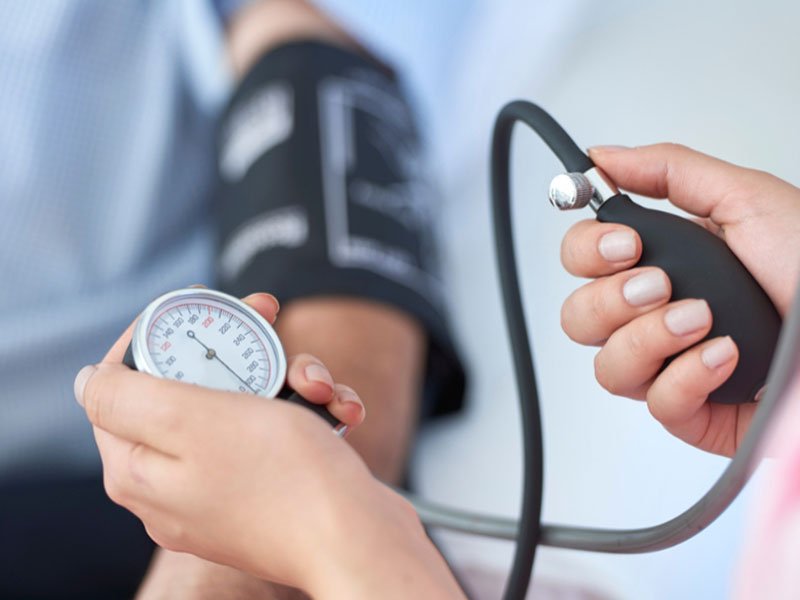
BP no longer a disease associated with the older generation.

Breaking News Zambia
NewsWhat was once considered a disease of old age is increasingly becoming a major health concern among young people. High blood pressure, commonly known as hypertension, is no longer affecting only the elderly, as growing numbers of youths are being diagnosed with the condition, raising concern among health experts in Zambia and across the globe. […]
What was once considered a disease of old age is increasingly becoming a major health concern among young people. High blood pressure, commonly known as hypertension, is no longer affecting only the elderly, as growing numbers of youths are being diagnosed with the condition, raising concern among health experts in Zambia and across the globe.
Hypertension is a medical condition in which the force of blood pushing against the walls of the arteries remains consistently high, forcing the heart to work harder to pump blood throughout the body. If left untreated, it can increase the risk of stroke, heart disease, kidney failure, and other life-threatening complications.
Often referred to as a “silent killer,” hypertension rarely presents noticeable symptoms in its early stages, making it difficult to detect until serious complications arise.
According to the Ministry of Health, approximately 34 percent of adults aged between 30 and 79 years are living with high blood pressure, a statistic that health professionals say could worsen if urgent preventive measures are not taken.
Director General of Medical for Quality Healthcare in Zambia (MQHZ), Dr. Quince Mwabu, attributes the rise in hypertension among young people to changing lifestyles and unhealthy dietary habits.
Dr. Mwabu explained that increased consumption of processed and fast foods, which are often high in salt, sugar, and unhealthy fats, has significantly contributed to the growing burden of the disease.
He further noted that reduced physical activity due to sedentary lifestyles, prolonged screen time, rising obesity levels, poor sleeping patterns, and chronic stress linked to education, unemployment, and financial challenges are among the major risk factors driving the trend.
“The lifestyles many young people are adopting today are placing them at a greater risk of developing hypertension at an earlier age,” Dr. Mwabu said.
He emphasized that prevention remains the most effective weapon against the disease.
“Young people should adopt healthier habits such as reducing salt intake, eating more fruits and vegetables, exercising regularly, managing stress effectively, ensuring adequate sleep, and avoiding prolonged periods of inactivity,” he advised.
As cases continue to rise among youths, health experts say one of the biggest challenges remains the misconception that hypertension is a disease reserved for older adults.
Permanent Secretary for Technical Services at the Ministry of Health, Dr. Kennedy Lishimpi, expressed concern over the increasing number of young people being diagnosed with high blood pressure.
Dr. Lishimpi said the trend challenges the long-held belief that hypertension only affects the elderly.
“The growing number of young people with high blood pressure is worrying. Many remain undiagnosed and untreated, increasing their risk of developing serious complications such as stroke, heart disease, and kidney failure,” he warned.
For many young Zambians, the pressures contributing to the condition are deeply personal.
Lusaka-based youth Lillian Tembo believes stress associated with school, unemployment, financial hardships, social media influence, family expectations, and uncertainty about the future is taking a significant toll on the mental and physical wellbeing of young people.
She observed that many youths lack access to information and platforms where they can learn about hypertension and how to prevent it.
“There is more that needs to be done in terms of educating young people about the causes of high blood pressure and the measures that can be taken to prevent it,” she said.
Ms. Tembo has since urged fellow youths to embrace healthier lifestyles, seek regular medical check-ups, and pay greater attention to their overall wellbeing.
As Zambia continues to battle both communicable and non-communicable diseases, health experts are calling for increased awareness campaigns targeting young people, warning that hypertension is no longer a condition of old age but a growing public health challenge affecting a new generation.
The message is clear, high blood pressure does not discriminate by age, and early prevention, regular screening, and healthier lifestyle choices could save countless.




Community Feedback