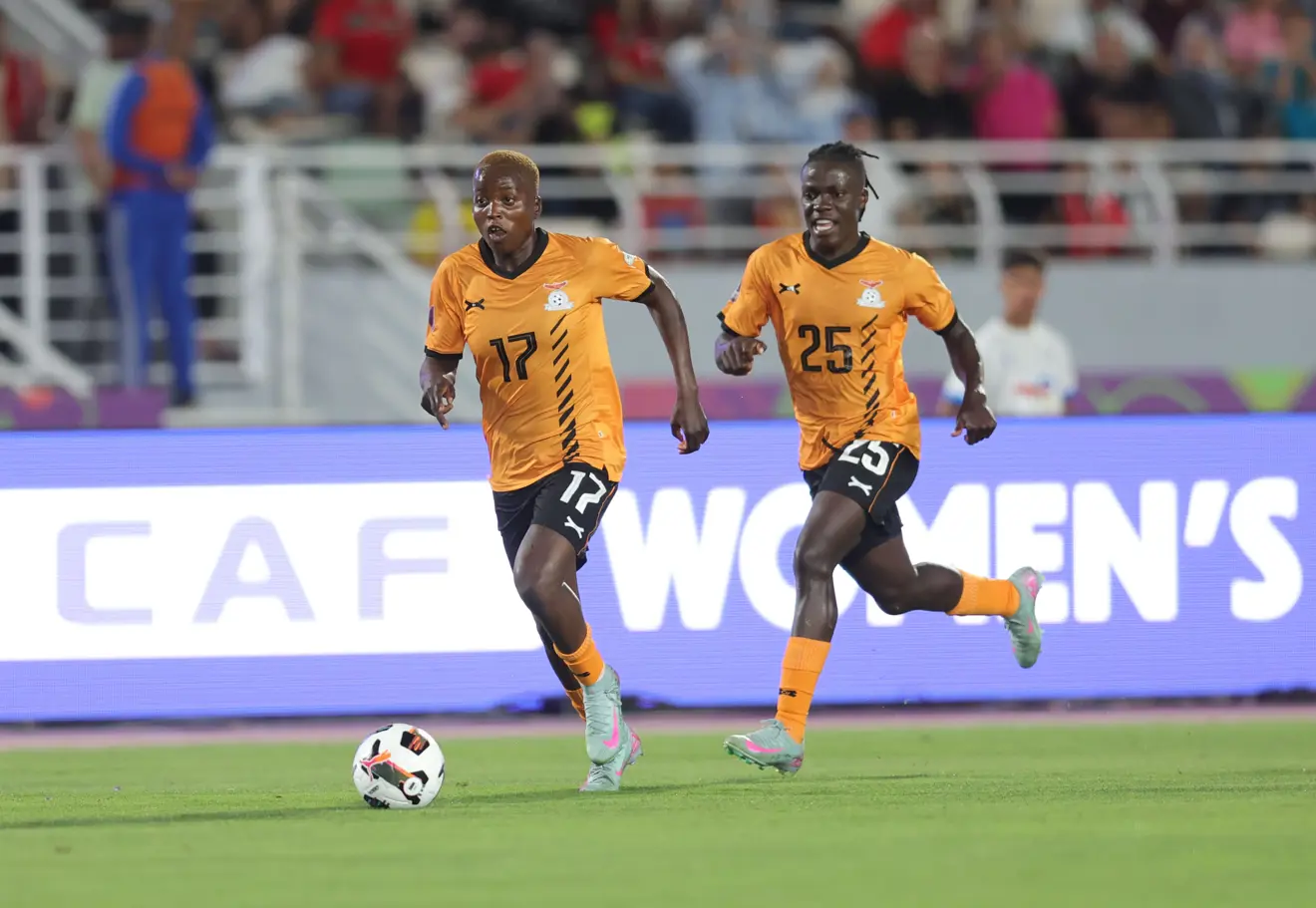
Apart from football, why are these other sports struggling to commercialize?

Breaking News Zambia
SportsWhen it comes to sports being a […]
When it comes to sports being a business, creating handsome returns and profits for athletes and Zambian clubs and federations, the sector is one-sided, football being the only sport improving gradually. Lobbying from the government, the corporate world, or individuals; missing tournaments—these are the scenarios that characterize the sports sector, a situation that has stunted the growth of the sport. What are the government and allies doing about it?
Speaking in an interview with the Zambian Business Times, National Sports Council of Zambia Chief Executive Officer Sombo Musunsa revealed that the council has been initiating capacity-building workshops in a bid to ensure that the federations stand alone in revenue generation. Most of the corporate sponsorship is focused on football.
But Musunsa revealed that the council is on the verge of signing an MOU with the Ministry of Tourism to leverage sports as a platform for marketing the country. “We are creating a framework of sports tourism and hospitality; this is going to be a game changer in terms of sport being a key contributor and also having a framework that can be used to track where the resources are going.”
He added that the council has also started to engage smallscale manufacturers that deal with sportswear and equipment, companies like Alive and Kicking. “How can we grow as a business instead of us buying from any other source? We are engaging our own, and we are pleading that they are extended to the rural areas, and these companies have been supplying to the national teams and local service providers as well.”
He cited the case of marathons as a smart way of incentivizing sport, in which several people are participating, and the athletes are able to earn something.
And the business community is being empowered, the hospitality, transport, and other sectors benefiting directly. Interestingly, Musunsa revealed that the council is on the verge of creating a key business case for sport that is liable to be shared with the ministry of finance and other allies attached to the sports project.
“Enabling us to tell stakeholders and partners that sport is a viable tool, sport can be used as a tool to gain so much publicity, and we’re hosting events. These have a commercial component, incentives for the runners and those that are making merchandise, and opportunities to even sell their merchandise, and the hotels are benefiting from the venture, ultimately commercializing sport.”
As the country continues to fill the trophy cabinet to the brim, the business side of sport must be considered, policy must turn to implementation, and implementation to the growth of the sport dearly cherished by many Zambians.
Article by Samuel Phiri






Community Feedback