
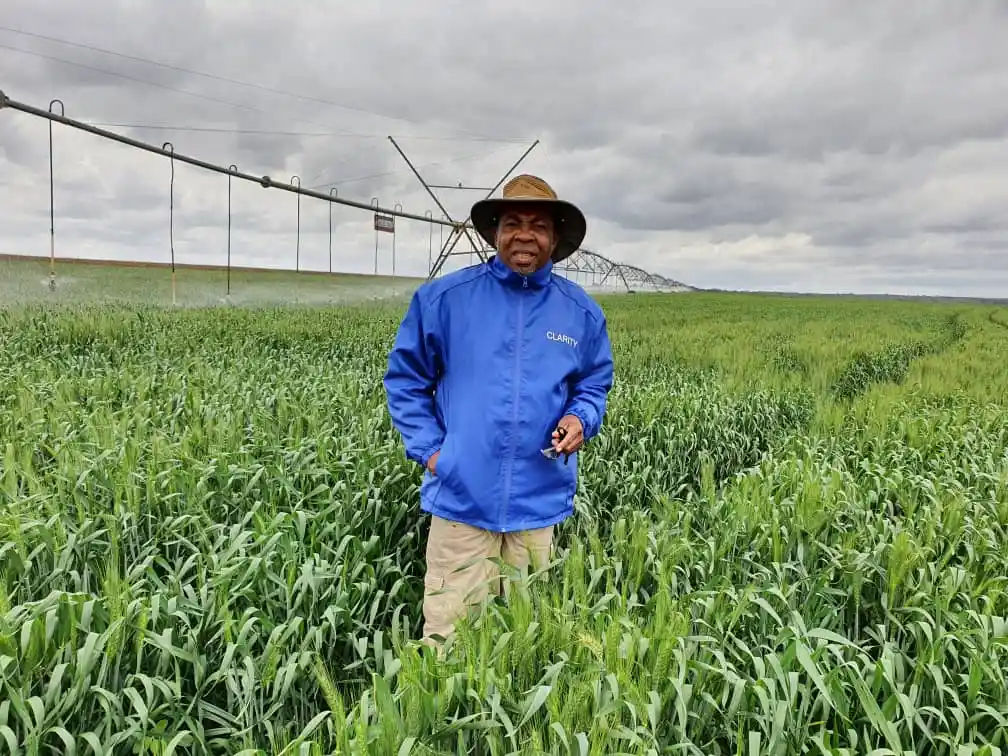
Zambian farmers brace for growth stagnation as temperatures drop

Breaking News Zambia
EntertainmentWith the cold season approaching, Zambian agriculture […]
With the cold season approaching, Zambian agriculture enters a high-risk period. Sub-optimal temperatures often lead to physiological stresses ranging from wilting and yellowing to reduced nutrient uptake that can significantly diminish total output. For local growers, mitigating these winter-induced growth delays is essential for maintaining consistent farm productivity.
In an interview with the Zambian Business Times-ZBT, agronomist Clever Munsunge said managing crops against frost requires proactive, passive methods implemented well in advance to avoid damage. “Foliar feeds play an important role during cold periods, not by warming the plant but by strengthening its physiology,” Munsunge explained.
“When sprayed on the leaves, nutrients are absorbed directly through the leaf surfaces, bypassing the roots that become less efficient in cold soil.” He said foliar feeding supports photosynthesis, maintains leaf greenness, and keeps plants metabolically active. Key nutrients for cold stress include calcium to strengthen cell walls, potassium to improve stress tolerance, magnesium for chlorophyll and photosynthesis, and seaweed, amino acids, and biostimulants to enhance tolerance to environmental stress.
Munsunge said that there is a need to ensure that the plants are watered in the morning. This gives the plant time to process the water throughout the day and dry before the colder temperature hits at night. He cautioned that watering at night can cause water to sit around roots, leading to root rot and fungal growth. “Drip irrigation is the most efficient method during the cold season. It delivers water directly to the roots, reducing evaporation and minimizing foliage disease due to leaf wetness if you use overhead irrigation.” Adding organic matter to soil is essential, according to Munsunge.
“Organic matter acts as a crucial water shield by insulating soil to maintain warmer temperatures, promoting better soil structure to prevent compaction, and retaining moisture while improving drainage, which protects roots from freezing or rotting.” Mulching also plays a key protective role.
“Munsunge helps keep the soil warm by reducing heat loss during cold nights, which supports healthy development. It reduces crop stress, minimizes water usage, and improves overall crop productivity,” he said. “Mulching creates a protective layer over the soil, supporting stable growth even in harsh weather conditions.”
Munsunge emphasized that consistent field monitoring is non-negotiable in winter. “A critical daily task is to scout the field for pests, diseases, and deficiencies to ensure plant health and productivity. Consistent field monitoring can yield higher produce.”
He advised farmers to practice good hygiene by removing and disposing of diseased or rotting plant materials promptly.
“Report any abnormalities of the crop to your agriculture specialist for quick help before the problem grows.” Munsunge concluded that combining these practices, foliar nutrition, controlled irrigation, organic matter, mulching, and daily scouting will help farmers maintain yields despite frost risk.
Article by Francine Chibuye





Community Feedback