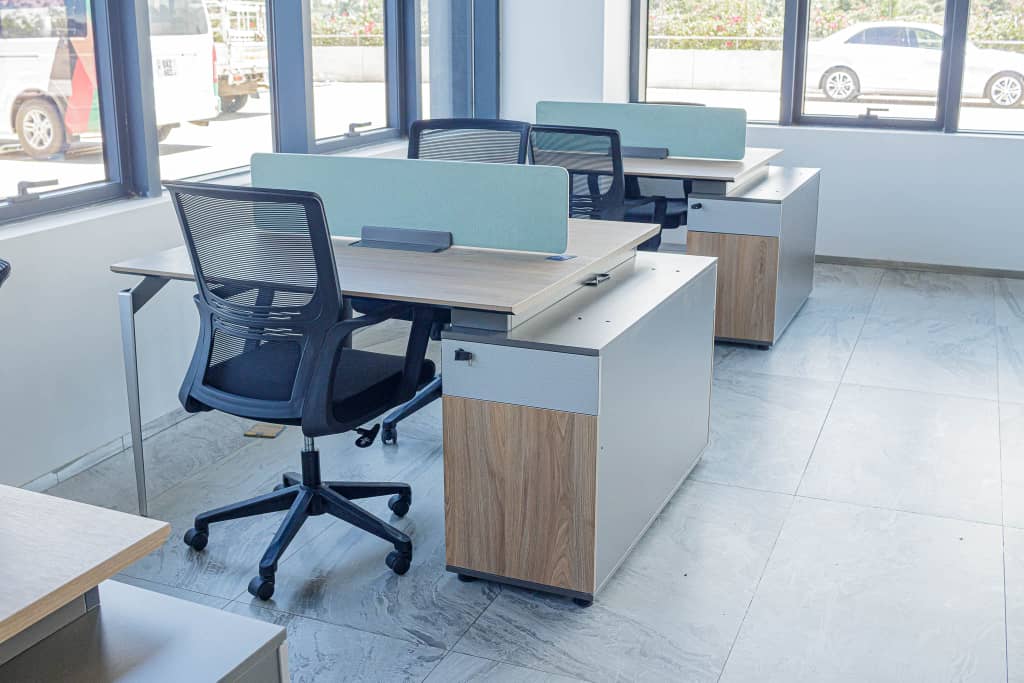
Why are corporate tenants abandoning LSK CBD offices?

Breaking News Zambia
SportsB Lusaka has experienced rapid commercial property […]
B Lusaka has experienced rapid commercial property development over the last decade, driven by expectations of sustained economic growth, financial sector expansion, and increased foreign investment.
However, recent economic pressures, evolving workplace trends, and changing business preferences have slowed absorption rates for office space, leaving several commercial buildings partially occupied or vacant, particularly in Lusaka District CBD.
Speaking in an interview with the Zambian Business Times, ACI Financial Market Association Project Coordinator Blessings Banda further observed that Lusaka’s Central Business District (CBD) has gradually lost its appeal to some corporate tenants due to worsening congestion, limited parking infrastructure, and accessibility challenges.
“As a result, many banks, financial institutions, and private firms are relocating to emerging suburban business zones such as Mass Media, Ibex Hill, and Fairview, where there is easier access, better parking, and mixeduse developments,” he said.
Banda further added that the capital city is experiencing a growing mismatch between office supply and actual business demand in other areas, like highend commercial nodes such as Rhodes Park, Long Acres, and Kabulonga. Banda said occupancy levels for prime office space are averaging around 65 percent, indicating a significant oversupply in the market despite continued construction of office buildings. “We are seeing a situation where the market has more office space than businesses currently require.
Developers anticipated sustained corporate expansion, but economic realities and changing work patterns have altered demand dynamics,” Banda said.
He explained that many businesses are no longer seeking expansive office footprints, with firms now preferring smaller and more cost-efficient workspaces ranging between 150 and 250 square meters. “Companies have become leaner.
There is a deliberate effort to cut operational costs while maintaining efficiency. Large office floors that were once considered necessary are now increasingly viewed as an unnecessary expense,” he noted. He added that Zambia’s broader macroeconomic environment has also contributed to the office vacancy trend.
“The depreciation of the Kwacha, coupled with elevated borrowing costs, has significantly increased operational expenses for businesses. Many companies are renegotiating rental agreements or downsizing to survive the current economic climate,” Banda explained.
“Flexible work models introduced during and after the COVID-19 period are still influencing business decisions today. Companies are investing less in traditional office setups while co-working spaces and flexible leasing arrangements are becoming more attractive,” he said.
Banda noted that the changing office market presents both risks and opportunities for investors and property developers. He, however, warned that continued construction of office buildings without aligning projects to actual market demand could worsen vacancy levels and suppress rental yields.
“There is a need for developers to reassess market realities and focus on adaptive commercial spaces that suit modern business operations rather than relying on outdated assumptions about office demand,” he said.
Article by Samuel Mutale







Community Feedback