
When Words Become Weapons

Breaking News Zambia
Top StoriesThe Book of James offers an old warning for a modern crisis: the tongue is small, but it can set a forest ablaze. After a contested election, Zambia is discovering just how quickly loose words can outrun public patience. Abigail Kabandula, a scholar who has spent more than a…
The Book of James offers an old warning for a modern crisis: the tongue is small, but it can set a forest ablaze. After a contested election, Zambia is discovering just how quickly loose words can outrun public patience.
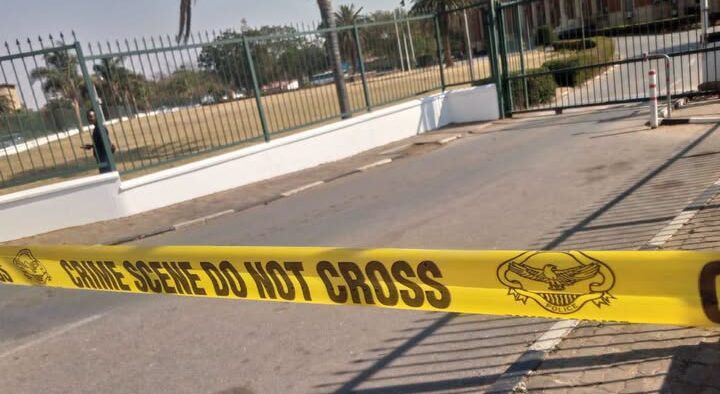
Abigail Kabandula, a scholar who has spent more than a decade studying conflict in Somalia and South Sudan, watched Zambia’s 2026 election unfold with mounting unease, not chiefly because of the political contest itself, but because of how casually some quarters flirted with violent language, against a backdrop of reported firearms and machetes seized from individuals allegedly preparing for confrontation.
Zambia has been fortunate. It has absorbed political tension, disputed results and sporadic violence without ever tipping into the full-scale civil wars that have scarred its neighbours. That record breeds a dangerous illusion that war happens elsewhere, to other people. Kabandula’s own experience argues otherwise. At the University of Zambia she befriended a Burundian who had walked, largely on foot, across the continent to escape ethnic slaughter in 1993, unsure if any of his family had survived and unable to go home. Years later, at Meheba Refugee Settlement, she found Hutu and Tutsi refugees still housed apart more than a decade after Rwanda’s genocide the mistrust too deep, even then, for them to live side by side. War, she learned, does not end when the shooting stops. Buildings can be rebuilt. Trust between neighbours is far harder to restore.
That is the lesson James’s counsel offers today: truth must still be spoken, but it must be disciplined and evidenced, never weaponised. A supporter declaring readiness “to die and to kill” is no less combustible than an opponent accusing the state of wanting to “kill people with military weapons” before any claim has faced a courtroom. Both freeze public opinion into camps before the facts have had their say.
Government has alleged armed insurrection and militia activity; opposition figures have called the security response fabricated and political. Contradictory public explanations on both sides including a violent statement first dismissed as artificial intelligence before later being acknowledged as genuine have only corroded trust at the moment the country needs it most.
History is not subtle about where this road leads. Rwanda’s genocide did not begin with machetes; it began with language that stripped neighbours of their humanity long before killing followed. The former Yugoslavia told its communities that coexistence was weakness until checkpoints and killing fields replaced daily life. Kenya’s 2007 election crisis showed how quickly disputed results, ethnic suspicion and inflammatory broadcasting can combine to cost more than a thousand lives.
Maturity now requires government to separate criticism from treason and dissent from conspiracy unless proof says otherwise and it requires opposition figures to separate resistance from recklessness. Courts exist to determine guilt; accusation is not conviction, and evidence must always travel further than a slogan. No grievance, however real, is worth the country in which it is aired. Zambians who can disagree politically while still sharing a meal, marrying across tribal lines and sending their children to the same schools have built something rare and it survives only as long as the tongue that built it does not turn against it.
By Dr Lawrence Mwelwa and Abigail Kabandula
Source: The Mast (“A nation can bleed from the tongue before the sword,” Weekly Reflections) and Zambia Daily Mail (“Flirting with war: A cautionary tale”)




Community Feedback