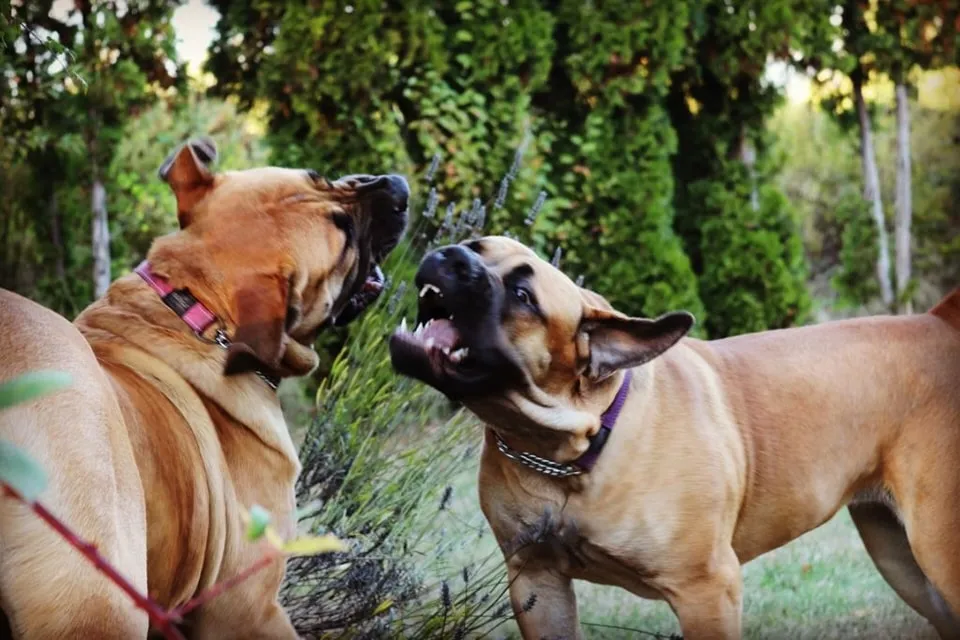
What Happens When You Cut a Dog’s Tail? The Truth About Tail Docking

Breaking News Zambia
NewsDogs communicate, balance and express emotions using many parts of their bodies, and one of the most important is the tail. While some dogs are naturally born with short tails, others have their tails deliberately shortened through a procedure known as tail docking. But what really happens when a dog’s tail is cut? Tail docking […]
Dogs communicate, balance and express emotions using many parts of their bodies, and one of the most important is the tail. While some dogs are naturally born with short tails, others have their tails deliberately shortened through a procedure known as tail docking. But what really happens when a dog’s tail is cut?
Tail docking is the removal of part or all of a dog’s tail. It is usually performed when puppies are only a few days old, although in some cases it is done on older dogs for medical reasons. Historically, tail docking was common among hunting, working and guard dog breeds because people believed it reduced the risk of tail injuries during work. Today, however, many veterinarians and animal welfare organisations discourage the practice unless it is medically necessary.
When a dog’s tail is cut, the animal experiences pain because the tail contains bones, muscles, nerves and blood vessels. While puppies may not show obvious signs of pain immediately after the procedure, research has shown that they are still capable of feeling discomfort. Older dogs can experience significant pain, bleeding and a longer recovery period if the procedure is carried out later in life.
A dog’s tail is much more than just an extension of its body. It plays a vital role in communication. Dogs use their tails to express happiness, fear, excitement, anxiety and submission. A wagging tail, for example, can indicate friendliness, while a tucked tail often signals fear or nervousness. Removing part of the tail may reduce a dog’s ability to communicate effectively with other dogs and people.
The tail also helps dogs maintain balance, especially when running, turning quickly or climbing uneven surfaces. Although many docked dogs adapt well over time, the loss of part of the tail may slightly affect their balance and agility, depending on how much was removed.
There are also health risks associated with tail docking. If not performed properly, complications can include infection, excessive bleeding, poor wound healing and chronic pain. Some dogs may develop nerve-related problems known as neuromas, which can remain painful long after the wound has healed.
In some countries, tail docking for cosmetic purposes has been banned or heavily restricted. Animal welfare advocates argue that removing a healthy body part solely for appearance is unnecessary and causes avoidable suffering. However, some breed standards and working dog traditions still encourage the practice in certain parts of the world.
There are situations where tail amputation may be medically necessary. Veterinarians may recommend removing part of the tail if a dog suffers severe injuries, develops cancer, experiences repeated infections or has conditions that cannot be treated by other means. In such cases, the procedure is carried out under proper anaesthesia with pain management to protect the dog’s welfare.
If you own a dog, it is important to seek advice from a qualified veterinarian before considering any surgical procedure. Decisions should always prioritise the health and well-being of the animal rather than appearance alone.
Understanding why dogs use their tails reminds us that every part of an animal’s body has a purpose. Whether long, short or naturally bobbed, a dog’s tail helps it communicate, balance and interact with the world around it.
Did You Know? Dogs don’t only wag their tails when they are happy. The direction, speed and height of a wag can communicate different emotions, making the tail one of the most important tools in canine body language.




Community Feedback