
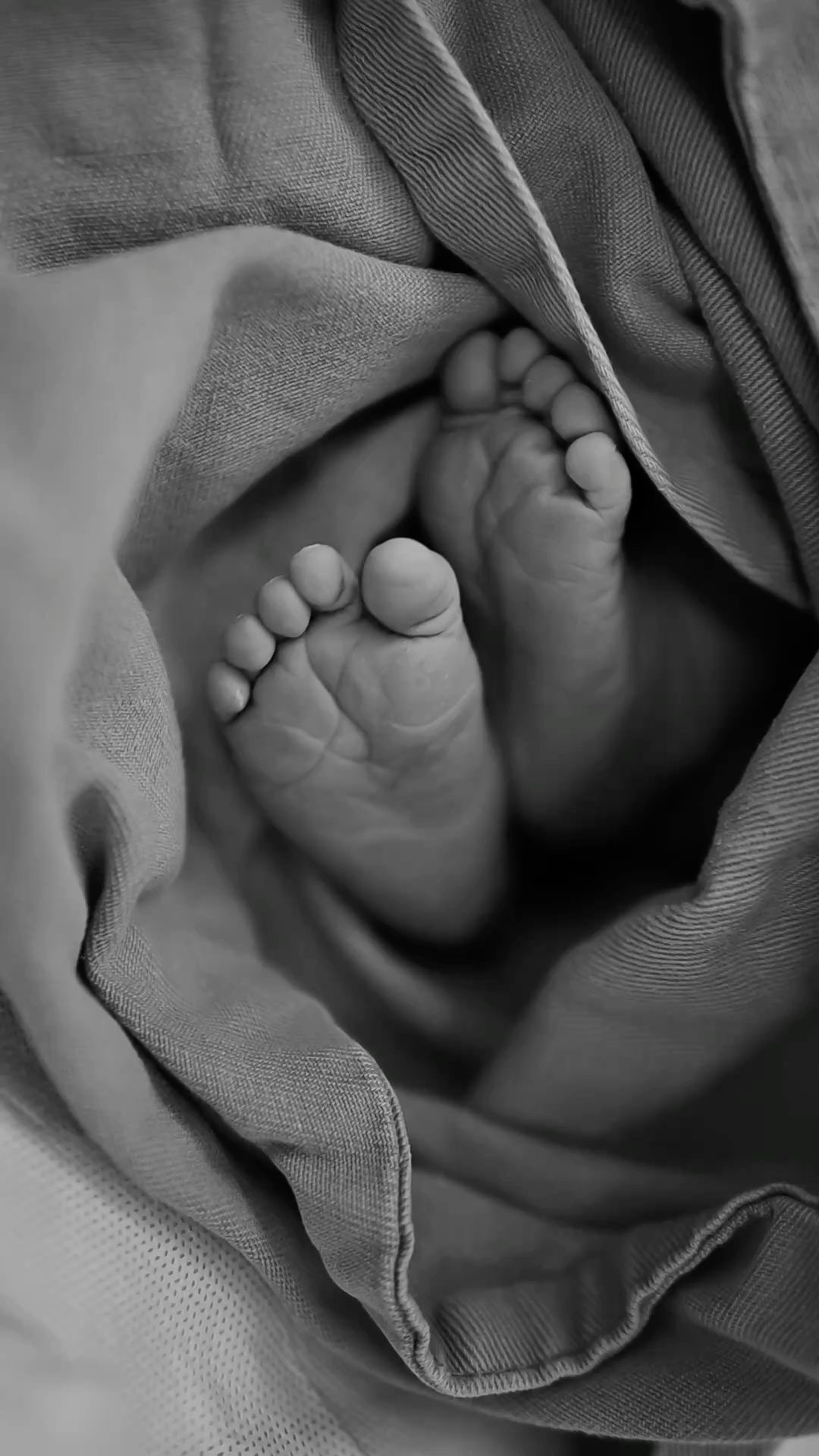
The Silent Threat of Neonatal Sepsis among premature babies.

Breaking News Zambia
EntertainmentThe first cry of a newborn is supposed to bring relief, joy and hope. But for some mothers, that cry is followed by days of fear, sleepless nights and the agonizing uncertainty of whether their tiny baby will survive. Neonatal sepsis is a serious medical condition characterized by a systematic infection in the newborn infants, […]
The first cry of a newborn is supposed to bring relief, joy and hope. But for some mothers, that cry is followed by days of fear, sleepless nights and the agonizing uncertainty of whether their tiny baby will survive.
Neonatal sepsis is a serious medical condition characterized by a systematic infection in the newborn infants, typically within the first 28 days of life.
It occurs when bacteria or other pathogens invade the bloodstream or tissues of the newborn leading to symptoms such as fever, lethargy, poor feeding, respiratory distress and jaundice.
Neonatal sepsis is a serious bloodstream infection in a newborn baby, usually in the first 28 days of life.
It’s one of the leading causes of newborn illness and death worldwide, so it’s treated as a medical emergency.
It may result from vertical transmission of maternal infections, exposure to pathogens during delivery noscomial infections acquired in healthcare settings.
Research indicate that there are approximately 1.3 million cases of neonatal sepsis reported worldwide with deaths occuring more commonly in preterm and low- weight new borns.
In Zambia, neonatal sepsis remains a significant cause of morbidity and mortality accounting for 45% of all the deaths in under five period.
According to the Zambia Statistical Agency’s 2019 report, one in every 37 infants in Zambia dies before celebrating their first birthday, highlighting the continued challenges in newborn and child survival.
Unfortunately, preterm birth have been found to be associated with neonatal infections due to immaturity of their immune system.
According to Nancy Simatta, a mother who gave birth to a preterm and was almost a victim of child loss due to neonatal sepsis, explained how the experience traumatized her.
” I gave birth to my baby girl at six (6) months, my labor was induced. I was scared when I saw my baby being put in an incubator, I nearly thought I had lost my first child,” Simatta said.
She added that, she stayed in the hospital for good three months because her baby could not breath properly and had difficulty in feeding.
” My child failed to breath properly, she was very weak and feeding her was a big challenge, the only way she got fed was using the feeding tubes and some injections.”
” She could sleep for very long hours, show no signs of alertness and her temperature could at times go low.”
Luckily for Nancy, she explained that her baby received proper treatment and remains grateful to the doctors that swiftly administered the much needed medication to save her baby.
However, she expressed displeasure with the fact that she was never educated about the signs of neonatal sepsis and that she only got to know about it once her child was born.
Meanwhile, Dr. Andrew Mulenga, a Medical practitioner, Lecturer, and Head of Department at Lusaka Apex Medical University, has re-emphasized that premature babies are more prone to this infection.
” Premature babies are prone to this infection because their lungs are weak and their feeding is very poor,” he said.
He explained that most preterm babies are born after rupture of membranes before time and further said that when there is draining of fluid, there is possiblity of germs entering.
” The risk factors of neonatal sepsis are frequent vaginal examinations to a lady who is in labor and premature rupture of membranes which lead to induced labor,” he said.
Additionally, Dr. Andrew has further urged expectant mothers to look out for the signs of neonatal sepsis in a child.
” A child with neonatal sepsis will be lethargic, feverish, have a shrill cry and poor feeding ability,” Dr. Andrew added.
He continued to explain that if it gets serious, the baby may develop jaundice and fits, not only that the baby may also develop difficulties in breathing.
What is the prevention for neonatal sepsis?
” Mothers in labor may be treated aseptically meaning that care must be taken that germs are not introduced during the delivery process,” Dr. Andrew explained.
He further highlighted that most health facilities are equipped with incubators and energy tubes for feeding, good supply of oxygen and different antibiotics.
Dr. Andrew has recommended the good works that health practitioners continue to give.
Neonatal sepsis still remains a major public challenge in Zambia. The sad reality is that many mothers especially in rural areas are not well educated about this infection and it’s dangerous threat to the new borns. Much needs to be done in order to prevent neonatal sepsis.





Community Feedback