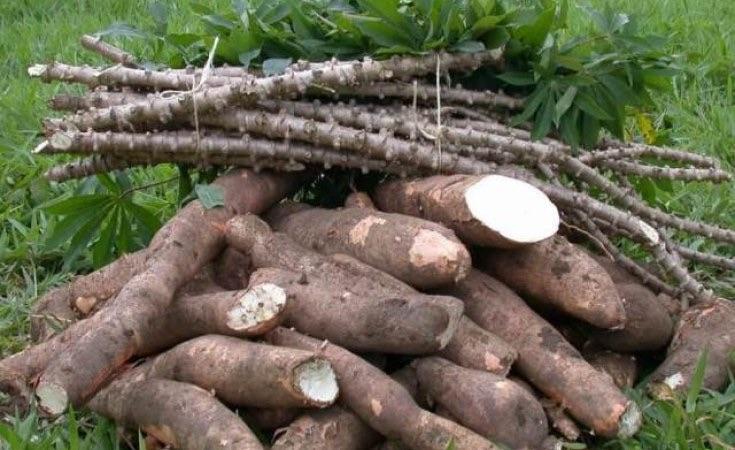
Luapula’s Cassava production to exceed 1.2 million tonnes

Breaking News Zambia
MusicLuapula Province is on the verge of […]
Luapula Province is on the verge of a historic milestone, with cassava production projected to surpass 1.2 million tonnes in 2026, its highest output on record. This achievement not only cements Luapula’s role as Zambia’s leading cassava producer but also signals a remarkable transformation in the province’s economic landscape.
According to official data, Luapula is expected to outpace all other provinces in cassava output, underscoring the success of strategic initiatives aimed at diversifying the region’s economy beyond its fishing roots.
Emmanuel Maseko, Public Relations Officer for Luapula Province, told Zambian Business Times (ZBT) that this unprecedented harvest represents the culmination of sustained efforts to promote agriculture as a viable and sustainable source of livelihood.
“This is the highest production figure we have ever recorded. Luapula was once known primarily for fishing, but more people are now turning to agriculture to secure their livelihoods,” Maseko said.
Maseko attributed the surge in cassava production to increased farmer participation, government support, and growing confidence in the agricultural sector.
“The shift from fishing to farming is already delivering measurable results, with cassava output rising steadily. Our province contributed over 180,000 metric tonnes to last season’s national harvest, and the projected 1.2 million tonnes reflects both expanded cultivation and the government’s continued support,” he added.
He emphasized that the current projection is not only realistic but also a testament to Luapula’s emergence as a major agricultural hub. “This cassava boom is proof that our province is transforming into a key player in Zambia’s food security and rural development,” Maseko noted.
Cassava remains a cornerstone of Luapula’s economy, providing both food and income to thousands of households. The anticipated record harvest is expected to further strengthen the province’s contribution to national agricultural output while supporting efforts to diversify rural livelihoods and reduce reliance on fishing.
Article by Francine Chibuye







Community Feedback