K35 per litre diesel price puts mine operations at risk

Breaking News Zambia
BusinessThe mining sector, which is the country’s […]
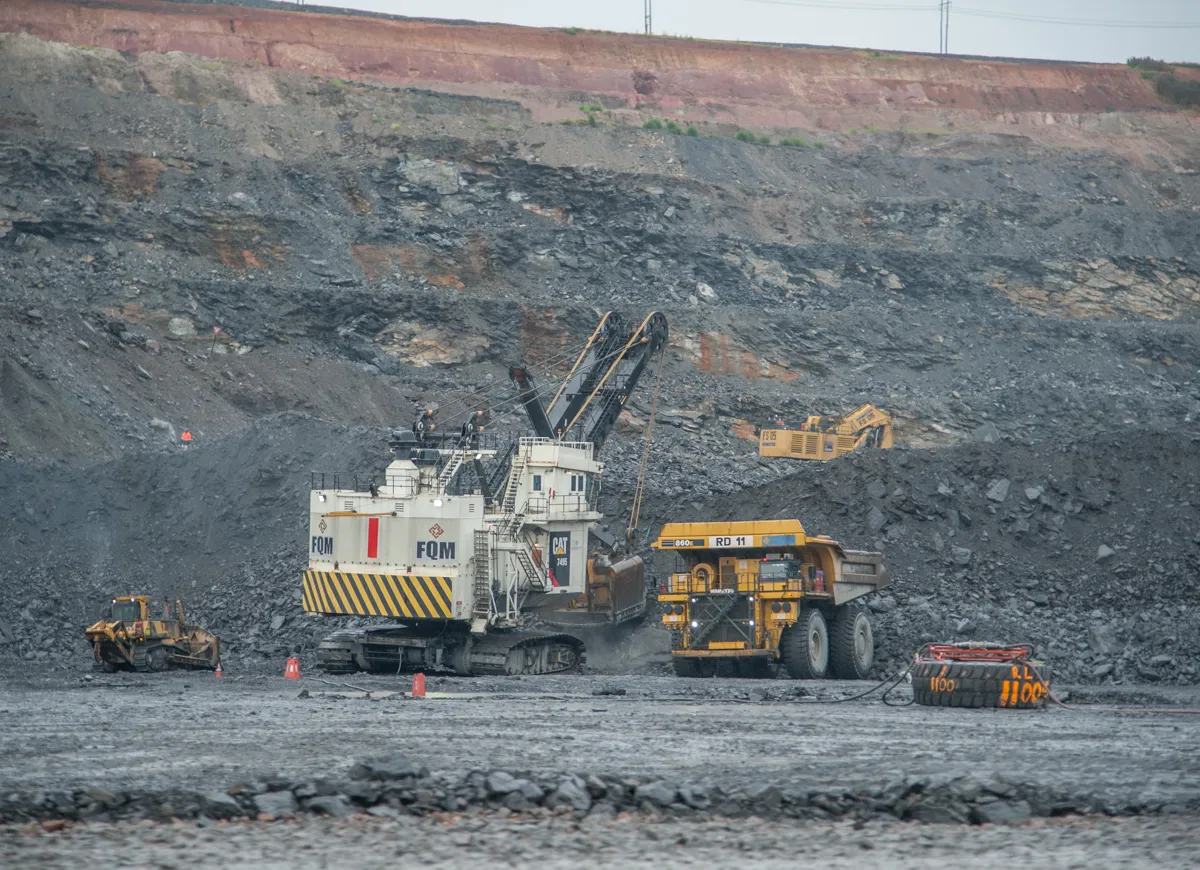
The mining sector, which is the country’s largest consumer of diesel, is facing mounting costs following the Energy Regulation Board’s (ERB) announcement of a dramatic rise in fuel prices effective May 2026.
The Energy Regulation Board (ERB) recently announced a sharp rise in fuel pump prices effective May 2026, citing escalating international oil prices amid ongoing Middle East tensions.
Diesel prices have seen the steepest increase, now standing at K33.99 per litre, almost double the price from just two months ago. diesel consumed mainly by the mining sector was priced at K23.25 per litre in March before climbing to K29.78 in April and now K33.99, underscoring the rapid upward trend.
In an interview with the Zambian Business Times (ZBT), Professor Peter Chileshe, a mining expert and lecturer at Copperbelt University (CBU), highlighted the significant impact of the latest fuel price increases on Zambia’s mining sector.
Professor Chileshe explained that these developments pose serious challenges for mining operations, which heavily rely on both electricity and diesel, a balance known in the industry as the “electricity-diesel balance.” He noted, “With the increase in diesel prices, the cost of mining will inevitably rise. He said the mines are already under pressure, and there is little hope for a swift resolution to the geopolitical crisis driving these increases.
“Even if tensions in the Middle East ease, the lag in cheaper feedstocks reaching Zambia means elevated prices are likely to persist for several months.” Professor Chileshe also raised concerns about the physical availability of fuel, given that Zambia is still dependent on imports, with the Angolan refinery not yet operational. “Our reliance on fuel imports through the Dar es Salaam corridor, which sources from the Persian Gulf, means that supply disruptions and price volatility are direct risks. The mines must be feeling the strain, both in terms of cost and the security of supply.”
He added that while Zambia has benefited from increased electricity generation due to favorable rainfall, this is unlikely to fully offset the impact of soaring diesel prices on mining operations. “The bottom line is that, given the current regional and global situation, mining costs in Zambia are set to climb further in the near future,” Professor Chileshe conclude.
Article by Tyndale Muchiya








Community Feedback