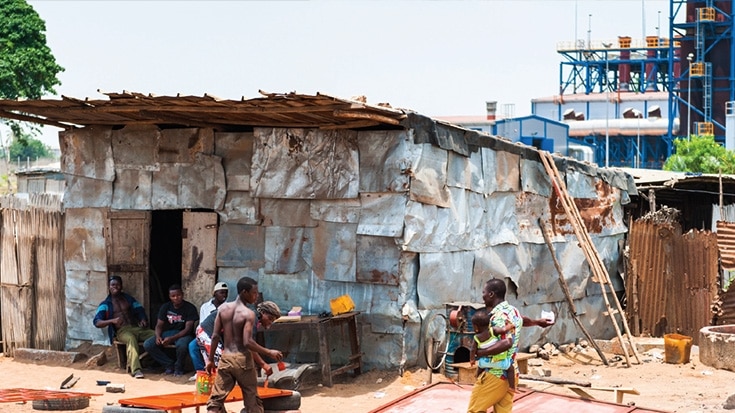
Homeless people crisis Reflects Breakdown of Families, Rising Poverty- Sampa

Breaking News Zambia
NewsHuman rights activist Gabriel Sampa Mailo has […]
Human rights activist Gabriel Sampa Mailo has warned that the growing number of homeless people, street children and drug users in Lusaka is a sign of deep-rooted social and economic challenges that require urgent intervention rather than public condemnation.
Speaking in an exclusive interview with the Zambian Business Times, Mailo said the increasing number of people sleeping in the Central Business District (CBD), Kamwala, Northmead and other parts of Lusaka points to a breakdown in family support systems, rising poverty and the easy availability of drugs and alcohol.
He said many people commonly referred to as “junkies” are not on the streets by choice but are victims of circumstances. “We need to stop looking at them only as junkies. These are our children. They come from our homes,” he said.
Mailo explained that many young people run away from home because of extreme poverty, family conflict or the absence of proper care after losing their parents. He said the traditional extended family system that once cared for orphaned and vulnerable children has weakened over the years, leaving many children without support.
“In the past, relatives would take responsibility for children left behind by deceased parents. Today, many families have become more self-centred, and vulnerable children are being neglected,” he said. He further noted that peer pressure, poor moral guidance and easy access to alcohol and illicit drugs have contributed to the growing number of young people living on the streets.
Mailo expressed concern that society has become desensitised to risky behaviour among children, including underage drinking and exploitation by older people. “We have reached a point where seeing 15-year-old girls out late at night with older men is treated as normal. It should never be normal,” he said.
He warned that failure to invest in children and young people would lead to increased crime, prostitution, drug abuse and reduced national productivity. Mailo urged government to strengthen social protection programmes, create more recreational facilities for young people and expand vocational training opportunities through institutions such as the Zambia National Service.
He also called on churches to complement their spiritual work with practical support for vulnerable children and families. “Preaching about love should go beyond the pulpit. Churches must reach out to vulnerable children in practical ways that restore their dignity and give them hope,” he said.
Mailo also appealed to civil society organisations to move beyond workshops and implement community-based programmes that provide skills training and employment opportunities for vulnerable youths. He stressed that rebuilding strong families should become a national priority, saying stable homes remain the first line of defence against homelessness, drug abuse and child neglect. Mailo further called on political leaders to place child welfare, youth development and social protection at the centre of their policy agendas.
He described the living conditions of many homeless people in Lusaka as a violation of human dignity and children’s rights, saying many spend cold nights sleeping under bridges, in bus stations and along shop corridors without adequate shelter. “There is need for a coordinated national response involving government, churches, communities and civil society. If we fail to address the root causes today, the problem will only continue to grow,” he said.
Article by Karen Ngulube




Community Feedback