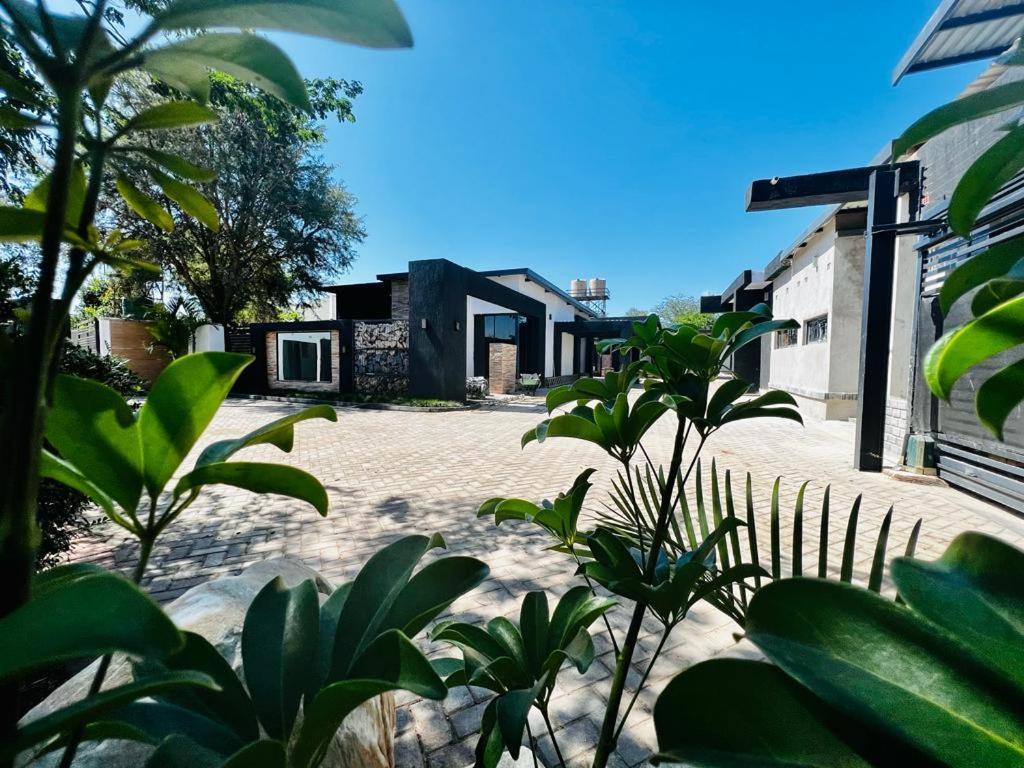
Developers count losses as luxury apartments remain unoccupied

Breaking News Zambia
EntertainmentAccording to property sector trends and urban […]
According to property sector trends and urban housing data, Lusaka has in recent years experienced a sharp increase in the construction of executive apartments and high-end residential properties, particularly in affluent areas such as Ibex Hill, Kabulonga, Roma and Olympia.
However, despite the construction boom, many luxury apartments are reportedly remaining vacant for extended periods, raising concerns about market saturation, poor investment planning and shifting rental demand patterns. In an exclusive interview with Zambian Business Times, Broadleaf Urban Properties Chief Operations Manager Goodson Ng’ambi said the growing number of unoccupied executive apartments is largely being driven by an oversupply of high-end rental units that do not match the current market demand.
Mr. Ng’ambi explained that many developers continue constructing luxury apartments with the expectation of attracting premium tenants, yet the majority of renters in Lusaka fall within the middle to lower-income bracket.
“There has been an oversupply or market saturation of highend apartments. The demand is mostly coming from middle to lower-income earners, especially young professionals and families just starting out. Most of these people cannot afford executive apartments,” he said.
He noted that while developers are investing heavily in expensive standalone houses and luxury apartment complexes, the market is increasingly favouring affordable flats and smaller rental units located in emerging residential areas such as Chalala and Meanwood.
“The demand trends have changed. People are now looking for affordable rental spaces. Developers who are building executive apartments are facing reduced demand because the number of people needing those properties is not matching the available supply,” Ng’ambi said.
He further explained that highend properties have traditionally relied on corporate tenants, international organisations and foreign agencies for occupancy, a market segment that has recently weakened due to downsizing and the closure of some international programmes.
“The large houses and executive apartments are usually occupied by organisations and international agencies. But with some institutions scaling down operations, that market has also reduced significantly,” he added.
Mr. Ng’ambi advised property developers and investors to conduct proper occupancy and market trend assessments before embarking on construction projects, warning that failure to align investments with consumer demand could result in prolonged vacancies and financial losses.
“If you want to invest in rentals today, you stand a better chance by targeting the middle to lower-income market. Instead of building one expensive house, many investors are now building two or three affordable flats because they attract tenants faster,” he said.
He stressed that understanding occupancy trends has become critical in Lusaka’s evolving property market, where affordability is increasingly shaping rental demand more than luxury appeal.
Real estate analysts say the growing vacancy rates among executive apartments could eventually force landlords to reduce rental prices or redesign housing models to cater for a broader market segment, particularly as urban migration and youth-driven housing demand continue to rise.
Article by Francine Chibuye







Community Feedback