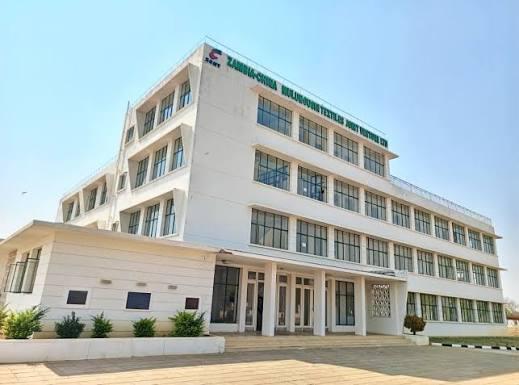
Cotton production drops 72% despite reopening of Mulungushi Textiles

Breaking News Zambia
MusicZambia’s cotton sector has suffered a massive […]
Zambia’s cotton sector has suffered a massive 72 percent production decline, mostly attributed to the low price of K8.50 per kg, ultimately raising serious concerns over the future of the country’s textile industry, particularly the viability of the revived Mulungushi Textiles.
The Cotton Board of Zambia in 2025 projected a 30,000-tonne increase in harvest from 11,000 tonnes recorded during the 2023/2024 farming season, although the number of farmers growing cotton dropped sharply from 100,000 to 80,000.
A check by the Zambian Business Times (ZBT) on the international cotton market revealed that Ivory Coast is currently selling at US$0.97, equivalent to K17.96 per kilogram, which is more than double the local producer price.
According to another report by African Dreams seen by ZBT, Ivory Coast increased cotton production from approximately 328,000 metric tonnes in 2020 to around 410,000 metric tonnes by 2024, placing the country among Africa’s top five cotton producers.
However, speaking in an interview with Zambian Business Times— ZBT, Cotton Board of Zambia Director of Technical Regulation, Derrick Sichilima, attributed Zambia’s severe 72 percent production decline mainly to poor cotton prices and adverse weather conditions, which discouraged farmers from remaining in the sector.
“You know the low prices have contributed to that because it is K8.50 per kg and we are trying to stabilize the sector,” said Sichilima. He added that floods experienced in some parts of Southern Province also contributed to crop losses and further weakened national cotton output.
“The other thing could be that in some areas there were some floods, like part of Southern Province, where some of the crop was washed away,” said Sichilima.
He admitted that Zambia’s cotton industry has now reached what he described as “rock bottom,” but maintained that the Cotton Board still has confidence in government interventions aimed at reviving the sector.
“We are actually at the lowest, the rock bottom of the agricultural sector, but we still have confidence in the government pronouncement and the effort the government is putting in that cotton will soon start getting attention,” said Sichilima.
The development now places renewed pressure on Mulungushi Textiles, which recently resumed operations and requires a stable supply of raw cotton to sustain local textile manufacturing. However, Sichilima insisted that the textile company already has its own contracted farmers supplying cotton and argued that increasing production would simply require recruiting more growers into the value chain.
“Mulungushi also has farmers whom they contracted to grow cotton for them, and if they want more cotton, then it means they will have to recruit more farmers to grow more cotton for them,” he stated.
Meanwhile, the Cotton Board revealed that cotton remains one of the cheapest crops for farmers to enter because seed for one hectare costs between K50 and K70, while companies provide chemicals, sprayers, and guaranteed markets under contract farming arrangements.
But with Zambia paying farmers K8.50 per kilogram while Ivory Coast producers are operating in markets where cotton prices are almost twice as high, can Zambia realistically revive its textile industry and compete regionally without first fixing producer prices and restoring farmer confidence in cotton production?
Article by Tyndale







Community Feedback