Chilli contract farming viable because it’s not a political crop – Hematon

Breaking News Zambia
NewsHematon Agro-Services has revealed that contract farming […]
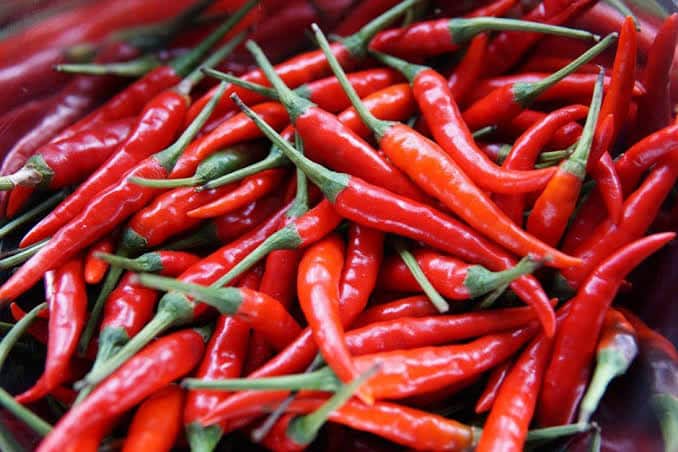
Hematon Agro-Services has revealed that contract farming has proven more successful for chili production than for many traditional crops because chili is less prone to side-selling and political price distortions, making it easier for farmers and off-takers to honor supply agreements.
Speaking in an interview with Zambian Business Times – ZBT, Hematon Agro-Services Director, Henry Malambo said that the contract farming model begins by securing a reliable export market before recruiting and training farmers to produce according to strict quality standards.
Malambo added that unlike staple crops such as maize and beans, chili has performed better under contract farming because farmers are less likely to divert the crop to alternative buyers or keep it for household consumption. “Farmers do not side-sell chili as much, and it is difficult to keep large quantities at home because you cannot consume that much chili, unlike maize and beans which are staple and politically influenced crops,” he said.
Malambo told ZBT that under contract farming, participating farmers receive agribusiness training, production guidance, financial record-keeping support and continuous field monitoring to ensure their produce meets export requirements before it is purchased. Meanwhile, he noted that export markets demand full traceability, making proper production records and adherence to agreed farming practices essential throughout the growing season.
“Under contract farming, farmers are taught how to grow the crop, keep financial and production records and meet export traceability standards,” said Malambo. He cautioned that profitability in chili farming depends more on good agronomic practices and higher yields than on high prices alone, saying many new entrants wrongly expect substantial returns from poor production simply because chili commands a premium price.
Malambo added that while contract farming continues to demonstrate potential for strengthening market access, improving production discipline and reducing marketing risks for chili farmers, its long-term success ultimately depends on farmers consistently meeting quality standards and honoring production agreements. Zambia produces Cassava worth $917m.
Article by Phillip Sinkala





Community Feedback