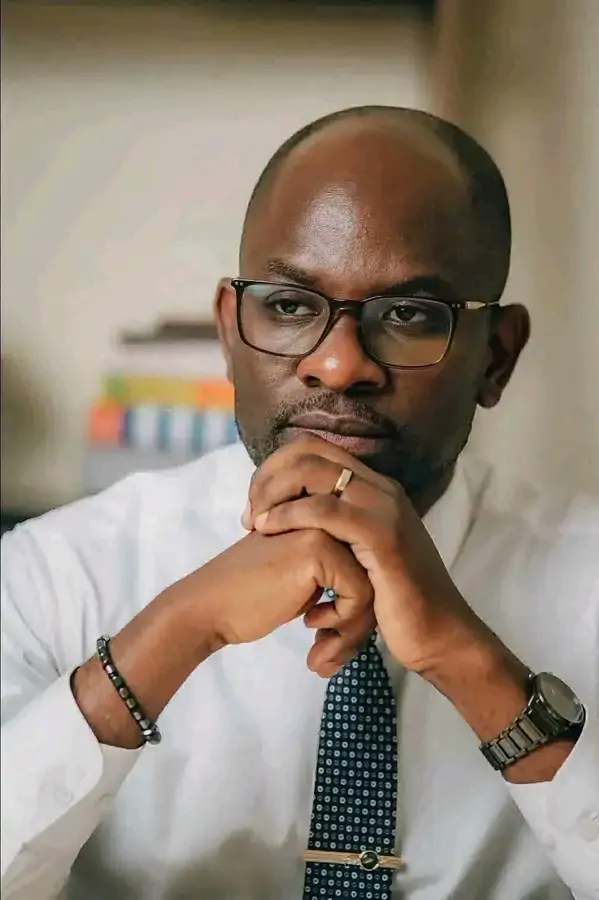
Binwell Mpundu’s latest statement deserves more than the usual social media reaction. It deserves to be examined within the broader context of Zambia’s political environment

Breaking News Zambia
NewsBinwell Mpundu’s latest statement deserves more than the usual social media reaction. It deserves to be examined within the broader context of Zambia’s political environment. Analysis By ZR Reporter “Let us go back to the days when we felt safe with these men, when they had our full respect and support.” This opening is particularly […]
Binwell Mpundu’s latest statement deserves more than the usual social media reaction. It deserves to be examined within the broader context of Zambia’s political environment.
Analysis By ZR Reporter
“Let us go back to the days when we felt safe with these men, when they had our full respect and support.”
This opening is particularly interesting.
The phrase “when we felt safe” may not simply refer to physical security. It could also speak to the freedom to hold different political opinions, criticise those in power and participate in politics without fear of being treated as an enemy.
When Mpundu says, “our politics has become primitive and dirty,” he makes an important admission. He does not place the blame on one political party or one group of people. By saying “our politics,” he appears to acknowledge that the problem belongs to all of us.
Perhaps that is the conversation Zambia has avoided for too long.
Every political side believes the other side started the problem. The ruling party blames the opposition, the opposition blames the ruling party, and supporters blame each other. Meanwhile, the political temperature continues to rise.
The uncomfortable truth may be that Zambia’s political culture cannot improve if everyone believes they are innocent and everyone else is responsible for the toxicity.
Mpundu also warns that if we do not act now, “we are paving way for trouble.”
That warning should not be taken lightly. Political violence rarely begins with violence itself. It often begins when insults become normal, opponents become enemies and political differences turn into personal hatred.
This is where his decision to specifically reach out to President Hakainde Hichilema becomes significant.
“I’m taking that first step, I’m reaching out to President HH for peace.”
This is not simply a general call for peace. It is a direct gesture towards the President and an invitation for dialogue.
The question now is whether this could become the beginning of a broader conversation about national reconciliation.
Dialogue does not mean surrender. Talking to your political opponent does not mean agreeing with them. A healthy democracy requires leaders to disagree strongly while still recognising each other’s humanity and right to hold different views.
Perhaps the bigger question is whether Zambia can return to a time when citizens could support different political parties without becoming enemies.
Can we support HH without hating those who oppose him?
Can we support the opposition without being treated as enemies of the state?
Can we criticise the government without being called traitors?
Can we defend the government without being insulted?
Perhaps that is the real conversation.
Binwell Mpundu’s statement may represent more than just one politician reaching out to another. It could be an opportunity for Zambia to reflect on the political culture we are creating and where it could eventually lead us.
Words alone, however, will not be enough.
The credibility of this call will depend on what happens next.
Will political leaders change their language?
Will they engage each other with dignity?Will their supporters follow their example?
Perhaps Zambia does not need politicians to agree on everything. Perhaps we simply need them to disagree without destroying each other and without destroying the country in the process.

Community Feedback