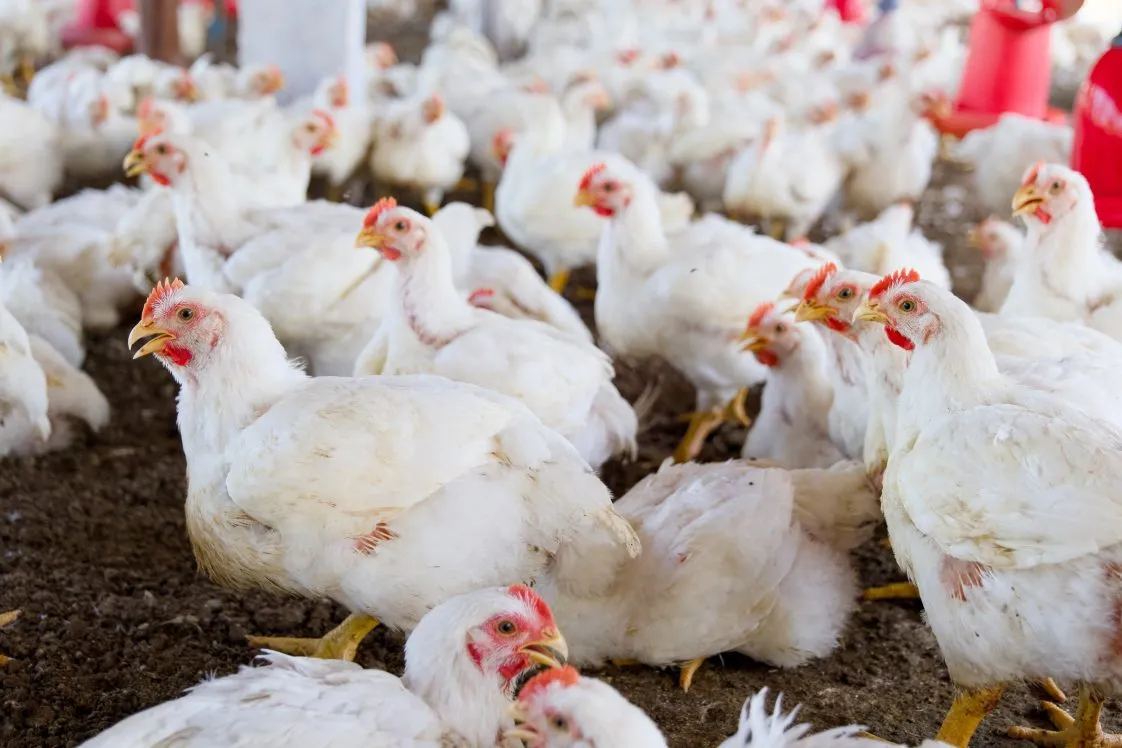
Antibiotic abuse in poultry threatens export market

Breaking News Zambia
MusicAgribusiness expert Samson Phiri has warned that […]
Agribusiness expert Samson Phiri has warned that the abuse of antimicrobials in broiler and layer production is likely to accelerate antimicrobial resistance, a growing global public health concern.
“Antimicrobial use is very widespread in Zambia’s poultry sector, especially among broiler farmers operating under intensive production systems,” Phiri said. “Studies using the VetCAb-ID monitoring system show that about 86 percent of layer poultry production involves antimicrobial use, while broiler farmers record an average monthly utilization rate of 48.3 percent,” said Phiri in an interview with the Zambian Business Times.
He added that the overusage is being driven by disease prevention, rapid growth demands for the market, and farm biosecurity systems. largely driven by disease prevention, rapid growth demands, and weak farm biosecurity systems.
“When antibiotics are overused, bacteria develop resistance, and these resistant organisms can easily spread to humans through meat consumption, eggs, contaminated water, and even direct contact with farm workers,” he explained.
“This makes common infections harder and more expensive to treat.” Phiri added that Zambia is already recording high levels of antimicrobial resistance in poultry-related bacterial isolates, raising concerns about the effectiveness of commonly used medicines such as tetracyclines, penicillins, and quinolones. Beyond human health risks, Phiri said poor compliance with withdrawal periods is exposing consumers to antibiotic residues in poultry products. The environmental implications are equally significant.
According to Phiri, antibiotics and resistant bacteria are increasingly entering soils and water systems through poultry waste and wastewater discharge. “This spreads resistance beyond the farms and creates a wider ecological challenge,” he said.
Phiri also described what he termed an “animal health paradox,” where overreliance on antibiotics masks poor management practices rather than addressing the root causes of disease outbreaks.
“Many farmers depend on drugs instead of investing in ventilation, housing quality, feed management, and proper biosecurity. In the long run, that weakens natural immunity and increases dependence on medication,” he said.
Economically, the cost burden on poultry producers is becoming substantial. Phiri estimated that farmers spend between 20 and 40 percent of their variable production costs on drugs. “As resistance grows, these medicines become less effective, forcing farmers to buy more expensive alternatives, which squeezes already thin profit margins,” he noted. He further cautioned that Zambia risks losing access to premium export markets if antimicrobial use remains unchecked.
He added that local retailers, supermarkets, and hotels are increasingly demanding antibiotic-use records from suppliers as consumer awareness around food safety rises. “Farms that cannot demonstrate compliance may start losing supply contracts,” he warned. According to Phiri, several structural challenges are driving the trend. These include poor biosecurity, heat stress, unreliable water quality, limited access to veterinary professionals, and rising production costs linked to expensive feed and electricity disruptions.
“Many small-scale farmers self-medicate birds based on advice from agro-dealers instead of trained veterinarians,” he said. “At the same time, antibiotics are often used as growth promoters to offset high operational costs and mortality risks.”
Despite the challenges, Phiri said progress is being made through ongoing research, policy reforms, and shifts within the private sector. “Government initiatives under the Eighth National Development Plan and the Climate Adaptation and Sustainable Transition Strategy are encouraging climate-smart production and stronger veterinary support systems,” he explained.
He also pointed to emerging industry efforts aimed at improving compliance and export readiness. “Some commercial producers and processors, including Hybrid Poultry, are now investing in certification systems, monitoring protocols, and better production standards to meet international requirements,” Phiri said.
He stressed that the future competitiveness of Zambia’s poultry industry will depend on balancing productivity with responsible antimicrobial stewardship. “Reducing antibiotic dependence while improving farm management is no longer optional,” Phiri said. “It is essential for public health, sustainable production, and long-term export growth.”
Article by Francine Chibuye







Community Feedback